Residential Dumpster’s Rental in Plano, TX
Home projects can create more waste than weekly trash service can handle. Old furniture, broken cabinets, flooring, boxes, and remodeling debris can quickly fill a garage or block a driveway. A residential dumpster rental in Plano gives you one place to keep that material while you work.
The container stays at your property during the agreed rental period. You can load it as your project progresses, then schedule pickup once the work is complete. This makes a home dumpster rental useful for cleanouts, remodeling, moving, landscaping, and other projects that produce debris over several days.
Tell us what you are cleaning, removing, or renovating. We can help you consider the container size, waste type, available space for placement, and expected weight before you request a quote.
Driveway-Friendly Dumpster Rentals for Plano Homes
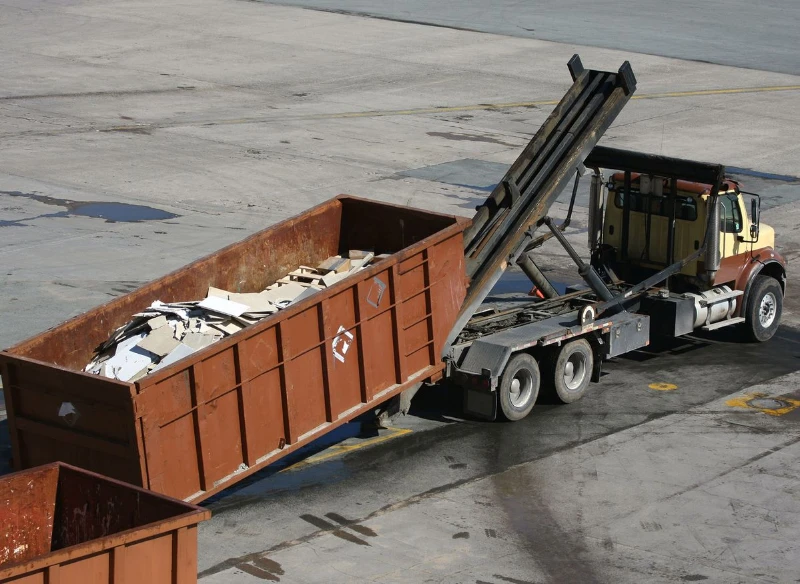
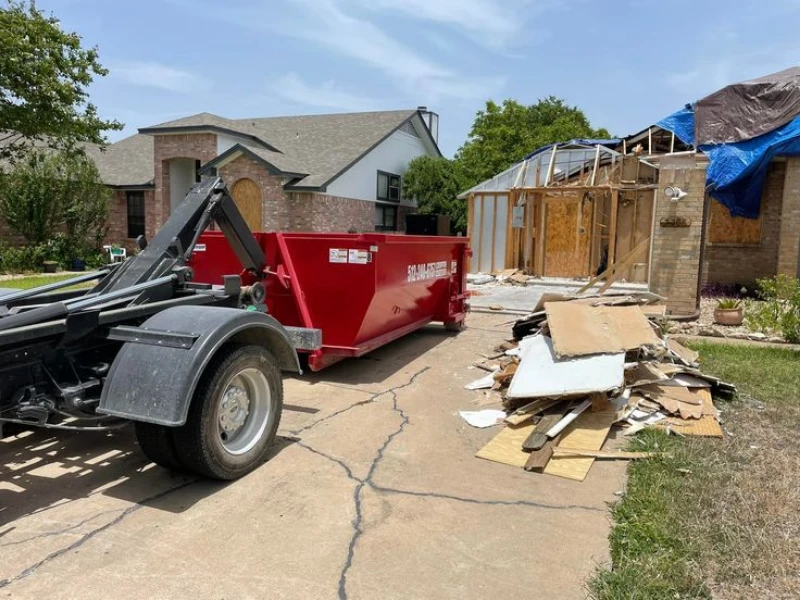
A residential roll-off dumpster can usually be placed on a firm, accessible part of your property. For many homeowners, the driveway is the most practical location. It keeps the container close to the work area and reduces the distance needed to carry heavy or bulky items.
Good placement takes planning. The delivery vehicle needs enough room to approach the property, raise the container, and set it down safely. Parked cars, low branches, gates, basketball hoops, and overhead wires can affect access. The surface must also be suitable for the weight of the container, delivery truck, and debris.
Driveway-friendly does not mean that every surface is risk-free. Cracked concrete, decorative pavers, soft asphalt, and steep driveways may need extra review. Let the rental provider know about existing damage or unusual surface conditions before delivery. Ask what protective steps are available and whether the proposed area is suitable.
Residential Projects That May Need a Dumpster
A dumpster is most helpful when your project generates more material than you can fit in household carts or transport in a single vehicle. It also lets you keep the work area organized instead of building several waste piles around the property.
Garage, Attic, and Basement Cleanouts
Storage areas often contain a mix of boxes, damaged furniture, old toys, shelving, and household junk. A dumpster rental for home cleanup lets you sort and remove these items without making repeated disposal trips.
Separate anything that can be donated, reused, or recycled before loading the container. Paint, chemicals, batteries, and similar restricted materials should be set aside for approved disposal.
Moving and Downsizing
Moving is often the first time homeowners see how much unused property they have collected. A dumpster can hold damaged furniture, worn carpet, broken storage units, and other unwanted household material.
Start the cleanup before packing day. This gives you time to separate donations, personal records, electronics, and prohibited waste, rather than making rushed decisions.
Home Renovation and Remodeling
Kitchen, bathroom, and flooring projects can produce cabinets, drywall, tile, wood, fixtures, and packaging. Keeping this material in one container can help maintain a cleaner work area.
Tell the provider exactly what the project involves. Renovation debris can become heavy, and some materials may require a different container or loading limit.
Roofing and Storm Cleanup
Roofing shingles are compact but heavy. Do not select a container based only on volume. The weight allowance is often more important for a roofing project than the container’s height.
Storm cleanup may include branches, damaged fencing, wet materials, and household items. Confirm which materials can be combined before loading them together.
Yard and Landscaping Work
Branches, brush, fencing, and small outdoor structures can take up considerable space. However, dirt, rock, sod, and concrete are much heavier than ordinary yard waste.
Describe the material before ordering. The provider may recommend separating clean yard debris from construction material or limiting heavy loads to a smaller container.
Whole-House and Estate Cleanouts
Estate cleanouts and major decluttering projects usually involve furniture, clothing, boxes, and personal belongings from several rooms. A larger container may reduce the need for a second rental, but the biggest size is not automatically the best choice.
Walk through the property first. Identify items for family members, donation, recycling, and secure document destruction. Only then estimate what will go into the dumpster.
Choose the Right Dumpster for Your Home Project
The right container depends on the debris volume, material weight, and available space for placement. Dumpster dimensions and weight allowances vary by provider, even when the containers have the same cubic-yard label. Confirm the exact outside dimensions before scheduling delivery.
10-Yard Roll-Off Dumpster
A 10-yard container is commonly considered for:
- Small garage or room cleanouts
- Bathroom updates
- Limited flooring removal
- Small amounts of dense debris
- Minor landscaping projects
Its smaller footprint may work better where driveway space is limited. Heavy materials can still reach the weight allowance quickly.
15-Yard Roll-Off Dumpster
A 15-yard option may suit:
- Medium cleanouts
- Small kitchen renovations
- Deck or fence removal
- Attic cleanup
- Landscaping debris
This size can provide more room than a small container without taking up the space of a large construction dumpster.
20-Yard Roll-Off Dumpster
A 20-yard container is often considered for:
- Large garage cleanouts
- Flooring projects
- Moving preparation
- Multiroom decluttering
- Medium renovation work
It provides useful capacity for many household projects. Exact dimensions should still be checked against your driveway and delivery access.
30-Yard Roll-Off Dumpster
A 30-yard container may fit:
- Whole-house cleanouts
- Major remodeling
- Large furniture removal
- Bulky, lighter construction debris
- Estate cleanouts
A larger container requires more space for delivery and placement. It can also be difficult to load safely if the walls are high.
40-Yard Roll-Off Dumpster
A 40-yard container is generally intended for projects producing a large volume of bulky material. It may be excessive for an ordinary household cleanup and may not fit every residential property.
Available sizes depend on the local inventory and the debris being removed. Ask which options can be delivered to your property before choosing a size.
Preparing Your Plano Property for Delivery
A little preparation can help the driver complete the delivery without delays. Check the route from the street to the proposed placement area, not just the space where the container will sit.
Before delivery:
- Move vehicles out of the driveway and garage.
- Unlock gates and confirm the opening is wide enough.
- Remove toys, tools, hoses, and temporary decorations.
- Look for low branches and overhead utility lines.
- Mark sprinkler heads near the delivery route.
- Keep children and pets inside during delivery.
- Tell the provider about slopes or damaged pavement.
- Leave enough room to open the dumpster door.
Do not assume that a delivery truck can turn into every alley or rear-entry driveway. Some Plano homes have fences, mature trees, narrow access points, or shared lanes that limit truck movement. Photographs of the driveway and street approach may help the provider review access before arrival.
Protecting the Placement Area
Ask whether boards or another surface-protection method can be placed beneath the container. The appropriate method depends on the container system, surface, and operator.
Protection can reduce direct contact, but it cannot guarantee that an already weak surface will remain undamaged. Disclose cracks, soft pavement, decorative finishes, and underground features before the container is placed.
Driveway, Street, and HOA Placement in Plano
Private property placement is generally easier to manage than placing a container on a street or public right-of-way. Street placement may create traffic, access, safety, or regulatory concerns. Requirements can vary by location and project.
Confirm current rules with the City of Plano before placing a container on public property. A building permit for renovation work does not automatically answer every question about dumpster placement. The hauling company may also need applicable local authorization depending on the work and waste involved.
Homeowners’ associations can have separate rules about container location, screening, and the number of days it may remain outside. HOA approval does not replace a city requirement, and city approval does not replace an HOA rule. Check both when they apply.
Acceptable Household Debris and Restricted Waste
Common household and remodeling debris may include:
- Furniture
- Cardboard and boxes
- General household junk
- Wood and shelving
- Drywall
- Cabinets
- Flooring
- Nonhazardous renovation debris
- Approved branches or yard material
Acceptance varies by provider and disposal facility. Do not place an item in the container simply because another company accepts it.
Items that commonly require separate approval or disposal include:
- Paint and solvents
- Fuels and automotive fluids
- Batteries
- Pesticides and chemicals
- Tires
- Refrigerators and air conditioners
- Electronics
- Medical waste
- Propane tanks
- Asbestos-containing material
- Hot ashes
- Liquids
- Dirt, concrete, brick, and rock
Plano provides separate residential disposal resources for certain materials, but program rules and accepted items can change. Confirm current municipal guidance and the dumpster provider’s policy before loading questionable waste.
Weight Limits and Safe Loading
Every dumpster has a physical capacity and a weight limit. A container may have remaining open space yet be too heavy for legal or safe transport. Roofing shingles, tile, dirt, concrete, and wet debris can quickly reach the limit.
Load material evenly across the floor. Avoid placing all heavy debris at one end. Break down bulky items when it is safe to do so, and keep waste below the top edge. Nothing should hang over the sides or block the loading door from closing.
Overfilled or overweight containers may need to be unloaded before pickup. They may also lead to additional charges based on the rental agreement. Describe heavy material when requesting the quote so the correct limits can be discussed in advance.
Residential Dumpster Rental Pricing in Plano
The price of residential dumpster rental in Plano, TX, depends on the project rather than one advertised number. A low starting price may not represent the final cost if it excludes weight, delivery distance, or rental time.
Common pricing factors include:
- Dumpster size
- Type of debris
- Included weight allowance
- Delivery and pickup location
- Rental length
- Disposal charges
- Additional rental days
- Extra pickups
- Overweight material
- Prohibited items
- Unsuccessful delivery or pickup attempts
Ask for a written quote that explains what is included. It should specify the container size, rental period, weight allowance, and any additional charges. This gives you a fair way to compare offers.
The lowest quote is not always the least expensive option. A container that is too small may require an extra haul, while an oversized container may cost more without adding useful value.
Rental Periods and Pickup Scheduling
Rental periods vary among providers. Before ordering, confirm when the rental clock begins, how pickup is requested, and whether the container is collected automatically on a set date.
Schedule delivery before demolition or cleanup begins, but avoid having an empty container sit longer than necessary. When you finish early, ask whether an earlier pickup is available. If the project takes longer, request an extension before the original period ends.
Keep the area in front of the dumpster clear on collection day. The driver needs access to load the container safely. Remove parked cars and make sure nothing has been placed against or above them.
How Residential Dumpster Rental Works
1. Describe the Project
Explain what you are removing, how many rooms are involved, and whether the debris includes heavy or restricted material.
2. Review the Container Options
Compare volume, weight allowance, outside dimensions, and placement requirements. Select the smallest practical size that can safely hold the expected load.
3. Choose the Placement Area
Check the driveway, access route, overhead clearance, and space needed for the container door.
4. Confirm the Quote and Delivery
Review included services, rental time, weight allowance, and potential extra fees before agreeing to the rental.
5. Load the Dumpster Safely
Spread weight evenly, follow the accepted-material rules, and keep debris below the fill line.
6. Request Pickup
Clear the access route and confirm that the loading door is secured. The provider will collect the container according to the agreed schedule.
Dumpster Rental or Junk Removal?
A dumpster is often suitable when you want to do the loading yourself or need several days to complete the work. It works well for renovations, moving preparation, and room-by-room cleanouts.
Full-service junk removal may be more convenient when you have a small amount of material and want a crew to carry it away. Municipal bulk collection, donation, and recycling may also handle some items at a lower cost.
Choose the method based on volume, labor, schedule, and waste type. Combining options can work well. Donate usable furniture, separate restricted materials, and use the dumpster for the remaining approved debris.
Safe Dumpster Use at Home
A container changes how people move around the driveway and work area. Basic precautions can reduce avoidable injuries:
- Keep children and pets away.
- Never climb or play inside the container.
- Use the loading door for heavy items when available.
- Do not throw debris when another person is nearby.
- Cover or contain sharp edges.
- Never burn material inside.
- Do not move the container yourself.
- Keep waste below the top edge.
- Close and secure the door after loading.
- Follow the provider’s instructions for loose debris.
Stop loading if the container shifts, the door will not close, or the load appears unsafe. Contact the provider before continuing.
Residential Dumpster Service Across Plano
Plano properties are not all alike. Some homes have wide front driveways, while others use rear-entry garages, alleys, or HOA-controlled streets. Mature trees, sloped pavement, and limited curb access can also affect placement.
A dependable Plano residential dumpster service should evaluate both the project and the property. Container size matters, but so do truck access, surface conditions, debris weight, and local restrictions.
When requesting service, provide the property location and describe the proposed placement area. This helps determine whether the delivery can be completed safely and whether another location should be considered.
Get in Touch
For emergency Dumpster Rental, call us immediately. We’re available 24 hours a day, every day. For non-emergency inquiries, use the form or contact methods below.
Phone number
Call (945) 325-1415
Address
1100 Capital Ave Plano, TX 75074
Hours of Operation
Open 24 hours a day
7 days a week
Residential Dumpster Rental FAQs
Have more questions
Our team is available 24/7 to answer your questions and help you understand your options after Dumpster Rental. Contact Us or
Ready to Start Your Dumpster Rental?
Get a Free Dumpster Rental Assessment From Our Expert Team
We respond 24/7 to help you find the right dumpster for your needs.