
Concrete, Dirt & Heavy Debris Dumpster Rental in Plano, TX
Concrete, dirt, brick, and other heavy debris need a dumpster sized around weight, not volume. A 10-yard or 15-yard container often holds a full driveway tear-out or a small excavation job well before it looks full, because material this dense hits its weight allowance long before it reaches the rim. [Company Name] delivers heavy-debris dumpsters anywhere in Plano, sized correctly from the start so you’re not stuck paying a per-ton overage fee for a container that never even filled up.
What Counts as Heavy Debris
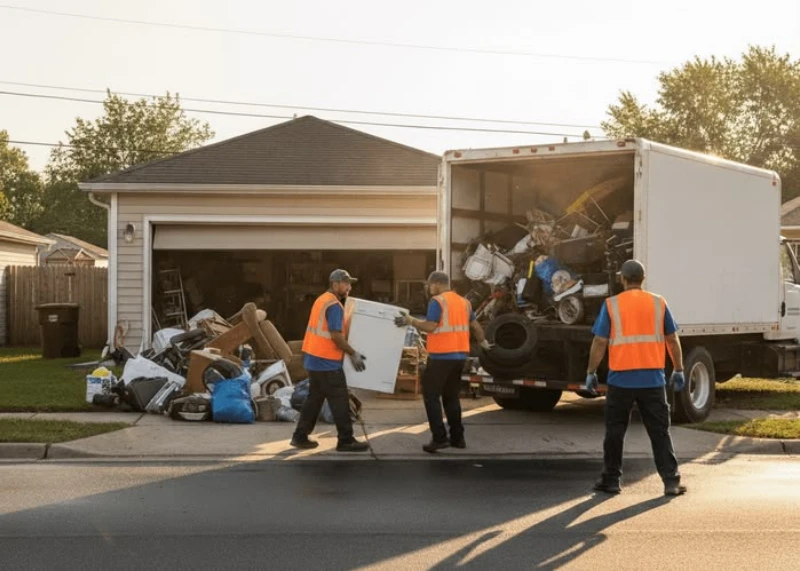
Heavy debris covers a specific category of dense material that’s common in Plano renovation, demolition, and landscaping projects. These materials are dense enough that a dedicated heavy-debris load is usually the right approach, rather than mixing them into a general construction or renovation container.
If your project has a mix of heavy material and lighter renovation debris, tell us the rough split — we can help you decide whether one container handles both or whether separating the loads makes more sense for your budget.
- Concrete (driveways, patios, sidewalks, slabs)
- Asphalt
- Brick and block
- Dirt, soil, and clay
- Sod (when removed with the soil layer intact)
- Sand and gravel
- Stone, rock, and pavers
- Tile (ceramic, porcelain, natural stone)
- Stucco and plaster removal debris
- Mixed heavy-debris loads (when flagged in advance)
A cubic yard of household junk might weigh a few hundred pounds. A cubic yard of concrete, brick, or wet dirt can weigh well over a ton. That difference is the entire reason heavy-debris dumpster rental works differently than a typical cleanout container.
Every dumpster comes with a weight allowance included in the flat rate — a set number of tons you can load before an overage fee kicks in. With household junk, most people never come close to that limit. With concrete, dirt, brick, block, tile, or asphalt, the weight limit is usually the thing that determines your price, not how full the container looks.
This is why a 20-yard dumpster loaded with concrete can end up costing more than a 20-yard dumpster loaded with couches and boxes, even though both look the same size sitting in the driveway. It’s also why many heavy-debris jobs actually call for a smaller container — a 10 or 15-yard box loaded with clean concrete will often hit its weight allowance before it’s anywhere near full, so paying for a larger container doesn’t buy you more usable capacity.
Telling us your material and rough quantity when you book is the single most useful thing you can do to get an accurate price. “About a 400 square foot driveway, roughly 4 inches thick” gives us far more to work with than “I’m tearing out some concrete.”
What’s Not Accepted
Some materials that seem similar to heavy debris require separate handling and aren’t accepted in a standard roll-off: hazardous materials, liquid waste, tires, batteries, paint cans (unless fully dried), appliances containing refrigerants, and railroad ties or pressure-treated wood soaked in creosote.
If you’re not sure whether something in your project falls into this category, ask before loading it. Flagging a questionable item up front is always easier than dealing with it after the container is full.
A Practical Note on Mixed Loads
Keeping concrete, brick, and dirt separate from lighter construction debris — drywall, wood, packaging — usually works out cheaper than combining everything into one container, because a mixed load gets billed based on its heaviest components.
If your project produces both heavy debris and lighter renovation waste, ask us whether two containers or one mixed load makes more sense for your specific job and budget.
Why This Matters for Your Budget
Getting the material type and quantity right before delivery is the best way to avoid a surprise overage fee — and often the best way to end up with a smaller, cheaper container than you assumed you’d need.
Driveway and Patio Demolition
Concrete driveway and patio replacement is one of the most common heavy-debris jobs in Plano, especially in Central and North Plano neighborhoods where homes built in the late 1980s and 1990s are hitting the age where original concrete work needs replacing.
Pool Removal and Backyard Demolition
Full or partial pool removal generates a large volume of concrete, gunite, and sometimes rebar, along with dirt from backfilling. These projects are heavy enough that they’re almost always priced and planned around weight from the start.
Foundation and Slab Work
Foundation repair, slab leak work, and slab replacement projects generate broken concrete along with dirt from excavation. Ask about swap timing so debris doesn’t sit around your work area longer than necessary.
Excavation and Grading
Dirt and soil from excavation, grading, or drainage work is dense and, when wet, significantly heavier than the same volume dry. Larger lots in West Plano sometimes generate enough dirt for a dedicated dirt-only container.
Landscaping Hardscape Removal
Removing brick or paver patios, retaining walls, and stone walkways as part of a landscaping redesign produces the same dense debris profile as concrete demolition, even though the project itself is a landscaping job.
Brick and Block Demolition
Exterior brick veneer removal, chimney demolition, and block wall teardown are common in Plano’s older East Plano housing stock, where 1970s and 1980s-era construction is reaching a renovation or teardown cycle.
Which Container Size Fits Your Heavy-Debris Project?
Because weight, not volume, usually sets the price for heavy debris, sizing works differently here than it does for a typical cleanout.
The right size depends more on what you’re removing than how big the pile looks once it’s out.
10-Yard Dumpster
A small driveway section, a single patio, a bathroom’s worth of tile demo, or a small landscaping hardscape removal. This is often the right size for concrete and brick projects even when a homeowner assumes they need something bigger, because the material is so dense that a 10-yard container reaches its weight allowance well before it looks full.
15-Yard Dumpster
A standard single-car driveway, a mid-sized patio, or a small pool deck removal. This is a common size for heavy-debris jobs in Plano because it balances enough capacity with a manageable weight allowance.
20-Yard Dumpster
A larger driveway, a driveway-plus-patio combination, or a foundation repair job with a meaningful amount of excavated dirt. Also a common choice when a project mixes heavy debris with lighter renovation material.
30-Yard Dumpster
Full pool removal, large-scale excavation, or a heavy-debris load combined with a broader home renovation. At this size, weight allowance and rental period both become important planning factors — ask us to walk through both before booking.
40-Yard Dumpster
Rarely the right choice for pure heavy debris, since the weight allowance is typically reached long before a 40-yard container fills. This size is better suited to large, low-density projects like whole-home renovation debris or new construction waste.
Not Sure Which Size Fits?
Tell us your project type and a rough estimate of the area involved — square footage for a driveway or patio, cubic yards for dirt, or a general description for a pool or foundation job.
We’ll recommend a size based on weight, not just how big the pile looks in your yard.
When Multiple Smaller Containers Beat One Large One
If your project is genuinely large-scale heavy demolition, ask us whether multiple smaller containers or a swap schedule makes more financial sense than one oversized box — because weight, not volume, usually decides the cost either way.
How Material Type Changes Your Sizing
Concrete and brick are denser than dirt; wet dirt is denser than dry dirt. That means the same size container can hold very different amounts of usable capacity depending on what’s going in it. A few points worth keeping in mind:
- Clean concrete and brick reach their weight allowance fastest of any heavy-debris material
- Dry dirt holds more volume per ton than wet or compacted soil
- Sod removed with the soil layer intact weighs close to dirt, not like light yard waste
- Sand and gravel are dense enough to fill a weight allowance quickly, even in small volumes
- Tile and stucco debris are lighter than concrete but heavier than typical renovation waste
- Mixed loads are billed based on their heaviest component, not an average
- A smaller container loaded with dense material can cost the same as a larger container loaded with lighter material
- Telling us your material type up front is the best way to get an accurate size recommendation
When in doubt, describe your project in plain terms — what you’re removing and roughly how much — and we’ll match it to the right size and weight allowance.
When You Need a Larger Container From the Start
Full pool removal, whole-driveway-and-patio replacement, or a foundation project with major excavation usually call for planning around a 30-yard container or a multi-container schedule from the outset.
Starting with the right size avoids a mid-project swap that adds time and cost to a job that’s already underway.
When to Plan for a Swap
If your project is likely to produce more heavy debris than one container can hold — a pool removal or a large excavation, for example — ask about swap pricing and timing before you book.
Knowing the swap cost up front means a multi-container project doesn’t turn into a mid-job surprise.
Driveway and Patio Demolition in Plano
Concrete driveway and patio replacement is one of the most common heavy-debris jobs in Plano, especially in Central and North Plano neighborhoods where homes built in the late 1980s and 1990s are hitting the age where original concrete work needs replacing. A standard single-car driveway tear-out often fits in a 10 or 15-yard container; a larger driveway or a driveway-plus-patio job may need a 20-yard container or a swap partway through.
Pool Removal and Backyard Demolition
Full or partial pool removal generates a large volume of concrete, gunite, and sometimes rebar, along with dirt from backfilling. These projects are heavy enough that they’re almost always priced and planned around weight from the start, and they often require multiple containers or swaps depending on pool size.
Foundation and Slab Work
Foundation repair, slab leak work, and slab replacement projects generate broken concrete along with dirt from excavation. Because foundation work often happens in phases, ask about swap timing so debris doesn’t sit around your work area longer than necessary.
Excavation and Grading
Dirt and soil from excavation, grading, or drainage work is dense and, when wet, significantly heavier than the same volume dry. Excavation projects in West Plano’s larger lots or newer development areas sometimes involve enough dirt that a dedicated dirt-only container, sized and priced specifically for soil, makes more sense than folding it into a general construction dumpster.
Landscaping Hardscape Removal
Removing brick or paver patios, retaining walls, and stone walkways as part of a landscaping redesign produces the same dense debris profile as concrete demolition, even though the project itself is a landscaping job. If your landscaping project includes hardscape removal, flag it separately from routine yard waste so we can size the container for weight.
Brick and Block Demolition
Exterior brick veneer removal, chimney demolition, and block wall teardown are common in Plano’s older East Plano housing stock, where 1970s and 1980s-era construction is reaching a renovation or teardown cycle.
Rebar and Metal in Concrete Loads
Small amounts of rebar embedded in concrete are generally fine to include in a heavy-debris container. Larger quantities of loose metal from a demolition project may need to be handled or priced separately — let us know if your project involves significant metal content.
Clean vs. Mixed Concrete Loads
A clean load of concrete, with no rebar, wood, or other debris mixed in, is often easier to size and price accurately than a mixed demolition load. If your demolition produces mostly clean concrete, let us know — it can affect both sizing and disposal routing.
Truck Access for Heavy Loads
Delivery and pickup trucks for heavy-debris containers need clear, stable access. Let us know about any tight turns, overhead obstructions, or soft ground conditions at your property so we can plan the right approach for delivery day.
Demolition Timing and Multi-Phase Projects
Foundation repair, pool removal, and larger demolition jobs often happen in phases rather than all at once. If your project is likely to stretch across multiple work sessions, tell us up front so we can plan your rental period and any swaps around the actual schedule rather than a single fixed timeline.
Stucco and Plaster Demolition
Stucco and plaster removal, common in exterior renovation projects, produces dense debris that’s heavier than typical drywall demolition but lighter than concrete. Flag this material separately so we can size the container correctly.
Combining Heavy Debris With a Broader Renovation
If your heavy-debris project is part of a larger renovation that also generates lighter construction waste, ask us whether one larger container or two separately sized containers makes more sense — the right answer depends on how much of each material type you expect.
What’s Not Accepted in a Heavy-Debris Dumpster
Some materials that seem similar to heavy debris require separate handling and aren’t accepted in a standard roll-off container:
If you’re not sure whether something in your project falls into this category, ask before loading it.
- Hazardous materials (asbestos-containing materials, contaminated soil)
- Liquid waste of any kind
- Tires
- Batteries
- Paint cans (unless fully dried and hardened)
- Appliances containing refrigerants (unless flagged in advance)
- Railroad ties or pressure-treated wood soaked in creosote
- Fluorescent tubes and other items containing mercury
- Any material your contractor identifies as potentially hazardous
Flagging a questionable item up front is always easier than dealing with it after the container is full.
If your project might include any of these materials, call us before booking so we can advise on the right disposal path.
Heavy-Debris Dumpster Pricing in Plano
[Company Name]’s flat rate for a heavy-debris dumpster includes delivery, pickup, disposal, and a set weight allowance — [insert your real starting price by size]. Because concrete, dirt, brick, and similar materials are dense, the weight allowance is the number that matters most here, more than for almost any other project type.
What can change your price:
- Container size and weight allowance
- Material type (concrete and brick are denser than dirt; wet dirt is denser than dry)
- Whether the load is clean single-material debris or a mixed load
- Delivery distance within our Plano service area
- Whether a street or right-of-way permit is needed
- Same-day or next-day delivery
- Rental period length
- Whether a swap or second container is needed
- Whether the project involves significant metal or rebar content
- Whether the debris is wet or dry at load time
If you go over your included weight allowance, you’ll be billed at a clearly stated per-ton rate, disclosed before you book — not calculated for the first time after pickup. Telling us your material type and rough quantity up front is the best way to get a price that matches what you’ll actually load, and to avoid an overage fee altogether.
How Long You’ll Need It
Driveway and patio demolition projects, including a scheduled replacement pour, often wrap within a few days to a week.
Larger jobs — pool removal, foundation work, or excavation tied to a broader renovation — can take longer. [Insert your real standard rental period, e.g., “10-14 days included, $X/day after”] gives most heavy-debris projects enough time.
If your project depends on a contractor’s schedule or a concrete pour date that could shift, tell us when you book so we can plan the rental period around your actual timeline rather than a fixed guess.
Questions to Ask Before You Book a Heavy-Debris Dumpster
A few questions worth asking any Plano heavy-debris dumpster company before you book:
- Is delivery, pickup, and disposal all included in the flat rate?
- What’s the included weight allowance, and what’s the per-ton overage rate?
- Is the overage rate disclosed before delivery, or only after pickup?
- What’s the standard rental period, and what’s the daily rate after that?
- Is swap service available, and what does it cost?
- Does the company handle the street/right-of-way permit, or is that on me?
- Is the hauler permitted under the City of Plano’s hauler program?
- What size do you recommend for my specific material and quantity?
- Is same-day or next-day delivery actually available?
- Does the company size differently for concrete versus dirt versus mixed debris?
- Will the company confirm HOA placement rules if I’m in a managed community?
- Who do I call for an early pickup, a swap, or an additional container?
If a company won’t answer these clearly before you book, that’s worth noting.
[Company Name] discloses all of this up front — size, weight allowance, overage rate, and rental length — before you commit to anything.
Delivery, Placement, and Weight Considerations
A loaded heavy-debris container is significantly heavier than most other dumpster loads, which makes placement planning more important than it is for a typical cleanout job.
Driveway Placement
Most heavy-debris containers are placed on the driveway. Ask us about protective boards under the container’s wheels, especially for longer rental periods — a fully loaded concrete dumpster puts real weight on a driveway surface over time.
Street or Right-of-Way Placement
If your driveway isn’t available — common on active demolition or excavation sites — placing the container on the street or public right-of-way may require a permit from the City of Plano. Ask us about the permit process when you book if a driveway placement isn’t an option.
HOA and Master-Planned Communities
Many Plano neighborhoods, especially in West and Central Plano, have HOA rules about how long a visible container can sit at a property. Check your HOA guidelines before booking a longer heavy-debris project, and let us know if your community has specific screening or placement requirements.
Truck Access for Heavy Loads
Delivery and pickup trucks for heavy-debris containers need clear, stable access. Let us know about any tight turns, overhead obstructions, or soft ground conditions at your property.
Protecting Your Driveway
A few precautions go a long way toward keeping your driveway in good shape under a heavy load:
- Ask about protective boards under the dumpster’s wheels
- Avoid long rental periods on a driveway with existing cracks or damage
- Point sharp debris edges away from the container’s tires when loading
- Load evenly so the container doesn’t sit unevenly on uneven ground
- Ask us about placement options if your driveway slopes steeply
- Confirm placement before delivery so the truck isn’t guessing on arrival
These small steps help avoid unnecessary repair costs once the project wraps up.
A Few Practical Tips Before You Start
Clear a path from your work area to the dumpster before delivery so loading goes smoothly.
If you’re removing concrete or brick, break it into manageable pieces before loading — smaller pieces distribute weight more evenly and load faster.
Take a few photos of your driveway before delivery in case you need to document the condition afterward.
How Heavy-Debris Dumpster Service Works
Tell Us About Your Project
Call or text us with your project type — driveway demolition, pool removal, foundation work, or excavation — and your material type and rough quantity. This helps us recommend the right size.
Choose Container Size
Based on your material and project scope, we’ll recommend a size that fits your weight allowance, not just your volume.
Schedule Delivery
Pick a delivery day and placement spot. Same-day delivery is often available for Plano addresses.
Delivery Day
We deliver the container to the agreed spot and confirm you’re set to start loading.
Load at Your Own Pace
Load heavy debris during your rental period. Keep material inside the walls of the container, below the fill line, and distributed evenly.
Swap or Request Pickup
If you fill the container before your project is done, ask about a swap. When you’re finished, call or text us to schedule pickup.
Final Removal
We pick up the container and haul the debris to an appropriate recycling or disposal facility.
Keeping a Heavy-Debris Project on Budget
A few habits keep heavy-debris projects from running over budget:
Flag Your Material Type Up Front
Telling us whether you’re removing concrete, brick, dirt, or a mix helps us size the container correctly and avoid a surprise overage fee.
Avoid Overloading
Keep material below the fill line and inside the container walls. Overloaded containers can’t be safely transported and may require you to remove material before pickup.
Don’t Mix in Lighter Renovation Debris Without Flagging It
Drywall, wood, and packaging materials are billed differently than heavy debris. Let us know if your project includes them.
Break Large Pieces Down Before Loading
Smaller pieces of concrete or brick distribute weight more evenly and load faster, which also makes it easier to judge how much room you have left.
This also reduces the risk of the container sitting unevenly, which can slow down pickup.
Load Dry When You Can
Wet dirt and wet concrete debris both weigh more than the same material dry. If you can time your loading around dry weather, your load will weigh less.
Ask About a Swap Before You Need One
If you know your project will produce more debris than one container can hold, ask about swap pricing before you book so there are no surprises mid-project.
When Heavy Debris Peaks in Plano
Heavy-debris volume in Plano follows a seasonal pattern tied to renovation cycles and weather.
Spring
Spring is a common season for driveway and patio replacement projects, as homeowners tackle exterior work before summer heat sets in. Storm-damaged concrete or masonry work also adds to spring demand.
Summer
Summer brings pool-related projects — removal, repair, and deck work — along with continued exterior renovation. High heat makes early-morning delivery windows worth asking about for larger demolition jobs.
Fall
Fall is a common time for foundation work and excavation projects, as cooler weather makes outdoor demolition more manageable.
Winter
Winter is generally the slowest season for heavy-debris projects, though foundation and slab repair work can happen year-round.
No Fixed Timeline
Whatever the season, we can typically accommodate short-notice bookings for Plano addresses — call or text to check current availability.
Heavy-Debris Dumpster Safety
A few safety basics apply to any heavy-debris project:
Wear gloves and sturdy footwear when handling broken concrete, brick, or material with sharp edges.
Keep children and pets away from the container and the loading area, especially with heavy or sharp material inside.
Don’t climb into the container to rearrange material — this creates a fall risk on top of an already heavy, unstable load.
Heavy-Debris Dumpster vs. a Direct Dump Run
For very small amounts of concrete or dirt, hauling it yourself to a disposal facility can make sense. For anything beyond a wheelbarrow or two, a rented dumpster is usually more practical. Here’s how the two compare:
| Factor | Heavy-Debris Dumpster | Direct Dump Run |
| Volume capacity | Sized to your project (10-30 yards) | Limited to truck bed or trailer capacity |
| Loading period | Multiple days to load at your pace | Must be loaded and hauled in one trip (or several) |
| Vehicle wear | None — delivery and pickup handled for you | Heavy loads strain personal vehicles and trailers |
| Disposal facility access | Handled by the hauler | You must find a facility that accepts the material |
| Time investment | One delivery, one pickup | Repeated trips for larger projects |
| Best for | Driveways, patios, pool removal, excavation | A few broken pavers or a small sidewalk section |
If your project is genuinely small — a few broken pavers, a single section of sidewalk — a direct dump run may be the more economical choice. For anything closer to a full driveway, patio, or excavation project, a dumpster sized for the weight typically works out simpler and often cheaper once your time and vehicle wear are factored in.
Working With a Contractor or Demolition Crew
If you’re hiring a contractor for demolition, excavation, or hardscape removal, coordinating the dumpster with their schedule keeps the project moving.
A few things to sort out with your crew before delivery:
- Confirm who is responsible for booking the container — you or the contractor
- Share the container size and placement location with the crew ahead of time
- Ask whether the project will generate a single material (concrete only, dirt only) or a mix
- Coordinate delivery timing with the start of demolition
- Confirm whether the project will need a swap or additional container
- Ask who will be present for delivery and pickup
- Clarify whether the contractor or you will handle loading
- Share any HOA placement requirements with the contractor
Clear communication up front helps avoid delays and makes sure the container is sized correctly for what the crew is actually removing.
Where Your Heavy Debris Actually Goes
Concrete, brick, and asphalt debris is typically processed separately from general household waste, often through construction and demolition (C&D) recycling facilities rather than a standard landfill — clean concrete and asphalt can frequently be crushed and reused as base material for new construction.
Dirt and soil disposal similarly routes through facilities equipped to handle bulk earth material rather than mixed municipal waste.
Plano’s broader waste system connects to regional facilities managed through the North Texas Municipal Water District (NTMWD) along with dedicated construction and demolition disposal capacity serving the greater Collin County area, including a C&D landfill in nearby McKinney.
Keeping your heavy-debris load free of mixed household trash helps make sure your material can actually go through recycling processing rather than being redirected to standard landfill disposal.
Heavy-Debris Dumpster Checklist
Confirm your material type: concrete, brick, dirt, asphalt, tile, or a mix Estimate your project size: square footage for driveways/patios, cubic yards for dirt and excavation Choose a container size based on weight, not just how big the area looks
Confirm the included weight allowance and per-ton overage rate Decide whether to separate heavy debris from lighter renovation waste Ask whether rebar or metal content needs separate handling
Choose a placement spot: driveway, curb, or a cleared area Check HOA rules on placement and screening if you’re in a managed community Ask about a street/right-of-way permit if a driveway placement isn’t possible
Confirm your rental period and the daily rate after that about swap service if your project may need more than one container Coordinate timing with your contractor or demolition crew if one is involved
Break large pieces down before loading when possible Load dry material when you can to reduce weight Keep material inside the container walls, below the fill line Distribute weight evenly across the container floor
Protect your driveway with boards for longer rental periods Take photos of your driveway before and after for your own records Confirm whether your material can be recycled versus landfilled
Schedule pickup as soon as your project wraps up Keep our number handy for questions about swaps, early pickup, or add-on containers
Get in Touch
For emergency Dumpster Rental, call us immediately. We’re available 24 hours a day, every day. For non-emergency inquiries, use the form or contact methods below.
Phone number
Call (945) 325-1415
Address
1100 Capital Ave, Plano, TX 75074
Hours of Operation
Open 24 hours a day
7 days a week
Concrete, Dirt & Heavy Debris Dumpster FAQs
Still Have Questions About Debris Project?
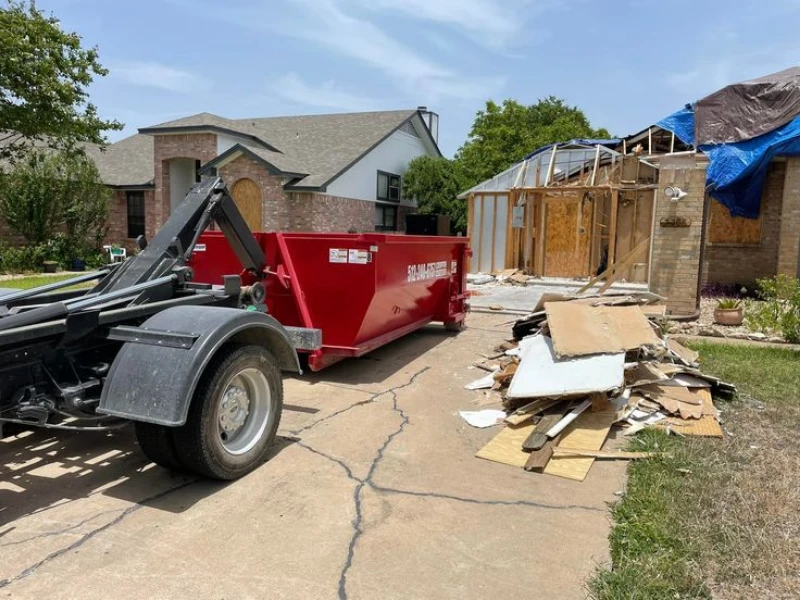
Our team is available to help you size the right container for your material and schedule delivery around your project — call or text (945) 325-1415.
Ready to Start Your Dumpster Rental?
Get a Free Dumpster Rental Assessment From Our Expert Team
We respond 24/7 to help you find the right dumpster for your needs.