
Roofing Dumpster Rental in Plano, TX
Most standard roof tear-offs in Plano fit a 20-yard dumpster — a single layer of asphalt shingles on an average-size roof usually stays within a 20-yard dumpster’s weight allowance, while a steep roof, a double tear-off, or 30+ squares typically needs a 30-yard dumpster instead. [Dumpster Rental TX] delivers flat-rate, HOA-compliant roofing dumpsters anywhere in Plano, with the weight allowance disclosed before delivery, not after pickup — the single detail that matters most on a roofing job, since shingles are heavier than almost anything else we haul.
What Size Dumpster Do You Need for a Roofing Job?
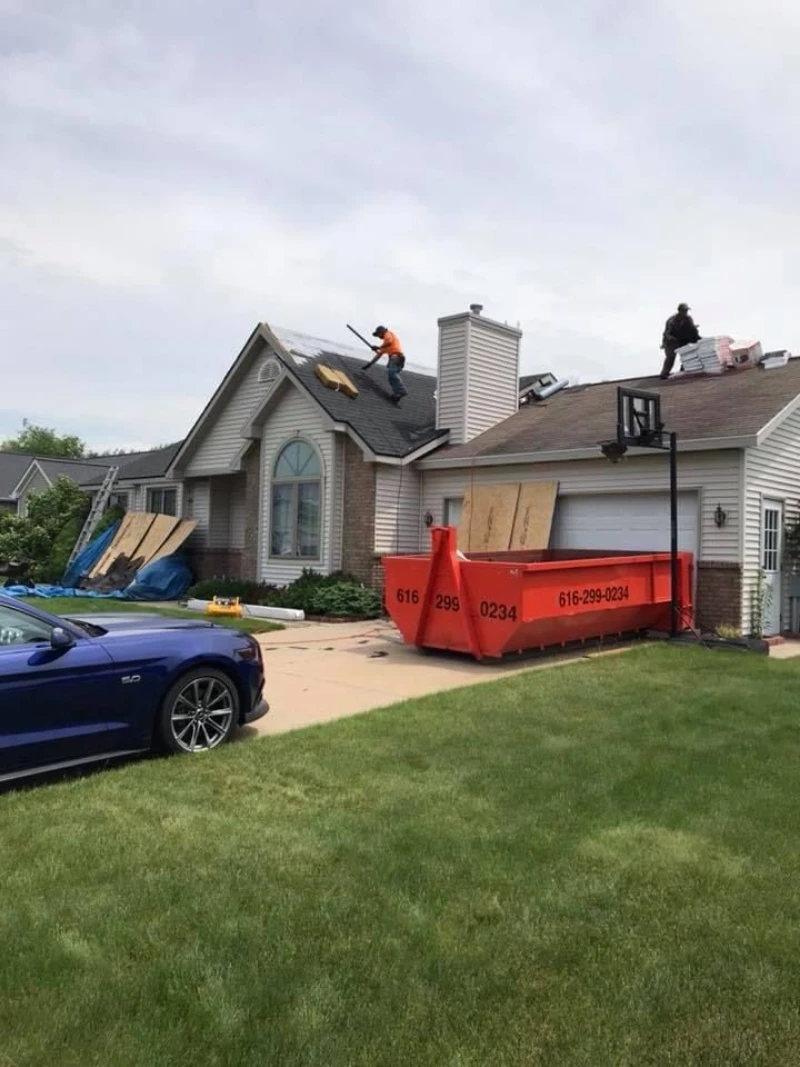
Roofing debris is dense — a full roof’s worth of shingles can weigh more than a truckload of furniture that takes up twice the space. That’s why roofing dumpsters are sized by weight allowance first and volume second, which is the opposite of how most other renovation projects get sized.
Tell us your roof’s total square footage, number of layers, and pitch, and we’ll size the weight allowance to match, rather than guessing low.
- Asphalt shingles
- Underlayment and felt paper
- Roofing nails and flashing
- Decking or plywood, if replaced
- Gutters and downspouts, if replaced
- Old ridge caps and roof vents
- Ice and water shield membrane
- Chimney flashing and pipe boots
- Damaged fascia and soffit material
- Storm debris mixed in during tear-off (branches, siding)
A standard bundle of asphalt shingles weighs roughly 60 to 80 pounds, and a typical roof needs dozens of bundles — which is why roofing is the project type most likely to hit a weight allowance before the container ever looks full.
That’s the opposite of most other renovation debris, where volume fills up before weight becomes a concern. On a roofing job, weight is almost always the limiting factor.
What doesn’t belong in a standard roll-off: hazardous waste and chemicals, batteries, tires, electronics, liquid paint, and refrigerant-containing appliances without proper handling.
Roofing jobs occasionally turn up an old satellite dish, HVAC unit, or other item that needs separate handling — ask before you load it.
Storm and Insurance-Timeline Roofing Jobs
Spring (March–June) is North Texas’s severe weather season, and hail or wind damage is the single most common reason a Plano homeowner books an unplanned roofing dumpster.
If your roof is being replaced on an insurance timeline, tell us that when you book — we prioritize fast delivery for storm-response jobs and can typically get a container out same-day or next-day so your roofer isn’t waiting on us to start.
Why Roofing Debris Needs Its Own Dumpster
Standard residential trash and bulk pickup isn’t built for roofing debris — Plano’s bulk-item curbside program doesn’t accept construction and demolition debris, and shingles fall squarely into that category.
A dumpster gives your roofer one container sized for the whole tear-off, sitting on-site for the length of the job, instead of trying to bag and haul shingles a load at a time.
Roofing Demand Across Plano — Where and When
Roof age and storm exposure aren’t evenly spread across the city — established neighborhoods with older roofs and areas that took the worst of a given storm season tend to drive demand differently.
Central & North Plano
Deerfield, Russell Creek, and Whiffletree are homes built in the late 1980s and 1990s — many are hitting a natural 20–25 year roof replacement cycle right now.
East Plano
Los Rios, Stoney Hollow, and Town West have older 1970s–80s roofs, often replaced as part of a larger flip or renovation project.
West Plano HOA Communities
Willow Bend and Lakeside on Preston often have larger, steeper roofs and stricter HOA screening requirements for any container left on a driveway.
Storm-Damaged Roofs
Hail and wind damage from Plano’s spring storm season is the most common reason for an unplanned reroof, citywide.
Standard Single-Layer Tear-Offs
The most common roofing job we deliver for — one layer of asphalt shingles on an average-size roof, usually a 20-yard.
Large or Steep Roofs
Bigger homes, steep pitches, and double-layer tear-offs push weight past a 20-yard’s allowance — plan on a 30-yard.
Which Container Size Fits Your Roofing Job?
Roofing debris is dense, so container size here is driven by weight allowance first and volume second — the opposite of how most other renovation projects get sized.
Tell us your roof’s total square footage, number of layers, and pitch, and we’ll size the weight allowance to match, rather than guessing low. Compare all five container sizes and prices →
10 Yard Dumpster
Best fit for a small roofing repair or patch job — replacing a section of shingles after storm damage, or a small shed or porch roof. Not typically enough for a full tear-off. See the 10-Yard Dumpster page →
15 Yard Dumpster
Best fit for a partial tear-off or a small roof section, where the square footage is limited but you still want dumpster capacity rather than bagging shingles by hand. See the 15-Yard Dumpster page →
20 Yard Dumpster
Best fit for a standard single-layer tear-off on an average Plano home, up to about 20 squares. This is the size we deliver most often on roofing jobs. See the 20-Yard Dumpster page →
30 Yard Dumpster
Best fit once you’re past 20 squares, pulling a second layer of shingles, or working a steep-pitch roof — all three add weight fast, even without more square footage. See the 30-Yard Dumpster page →
40 Yard Dumpster
Best fit for a large or multi-structure reroof, or a full reroof that includes decking replacement. This is our largest standard container for the biggest roofing jobs. See the 40-Yard Dumpster page →
Not Sure Between Two Sizes?
If your roof’s scope falls between two categories — a larger-than-average single-layer roof, for example — the safer call is almost always the larger size. A slightly oversized container costs less than an overage fee.
Still not sure? Tell us your roof’s total square footage, number of layers, and pitch, and we’ll size it for you in under a minute rather than making you guess.
Single-Layer or Double-Layer? Why It Matters
A second layer of shingles roughly doubles the weight coming off your roof without changing the square footage — it’s one of the most common reasons a roofing job needs to size up a tier.
When a 20-Yard Is Enough
A single-layer tear-off on an average-size, moderate-pitch Plano roof is usually a 20-yard job.
- The roof has one layer of asphalt shingles
- Total roof area is around 20 squares or less
- The roof pitch is standard, not unusually steep
- No decking or plywood replacement is planned
- The tear-off and haul-away happen within a day or two
- There’s a clear driveway or street placement spot for the container
- Your HOA’s placement-window rules aren’t a concern for a short job
- Your roofer has confirmed one container’s worth of debris for the job
If any of that doesn’t sound like your roof, size up to a 30-yard.
When to Size Up to a 30-Yard
A roof larger than about 20 squares, a steep pitch, a second layer, or decking replacement all add weight beyond what a 20-yard’s allowance typically covers.
Combining roofing debris with broader storm cleanup — fence, gutters, siding — is another common reason to size up rather than order a second container.
When a Full Dumpster Isn’t the Right Call
A small patch or repair — a handful of shingle bundles from storm damage, not a full tear-off — usually doesn’t need a full roll-off. Ask us whether your job actually needs a 10-yard or if bagged disposal makes more sense.
If you’re not sure which category your roof falls into, tell us the scope, and we’ll be straight with you about the right size — or whether you need a dumpster at all.
Roofing Debris We Handle, By Job Type
Different roofing jobs generate different debris loads. Here’s what a typical Plano roofing dumpster ends up holding, by job type.
Full Tear-Off and Reroof
A complete tear-off down to the decking, followed by a full reroof, generates the most debris and the most weight — shingles, underlayment, and old flashing all come off at once. This is where a 20- or 30-yard dumpster usually comes in.
Partial Repair and Patch Jobs
Storm damage to a section of roof, or a localized leak repair, generates far less debris than a full tear-off — often a 10- or 15-yard covers it, or bagged disposal may be enough.
Tell us the square footage of the damaged section so we don’t size you into a container you don’t need.
Decking and Structural Repairs
If storm or water damage requires replacing plywood decking underneath the shingles, that adds real weight and volume beyond a standard shingles-only tear-off — plan on sizing up.
Structural repairs found mid-tear-off are common after a bad storm; we can swap or size up if your scope changes once the roofer opens things up.
Storm and Hail-Damage Tear-Offs
Spring (March–June) is North Texas’s severe weather season, and hail or wind damage is the single most common reason a Plano homeowner books an unplanned roofing dumpster.
Multi-Structure or Phased Reroofs
Larger properties with a house, garage, and outbuilding roof all needing replacement, or a reroof staged across sections, can generate more debris than a single 30-yard dumpster comfortably handles — ask about a 40-yard or a mid-project swap.
What’s In a Full Roofing Tear-Off
A full tear-off breaks down into a few material categories, each with a different weight profile.
Shingles
The majority of the weight on almost every roofing job. A standard bundle weighs roughly 60 to 80 pounds, and a typical roof needs dozens of bundles.
Underlayment and Felt Paper
Lighter than shingles but adds up in volume across a full roof — usually not the limiting factor on its own, but it fills space fast.
Decking and Plywood
Only present if decking is being replaced, but when it is, it adds significant weight — factor this in before you book if your roofer expects to find damaged decking.
Flashing, Nails, and Gutters
Metal flashing, roofing nails, and any gutters or downspouts replaced at the same time round out most tear-offs — individually light, but they add up.
What Can and Can’t Go In Your Roofing Dumpster
Most roofing debris is straightforward to dispose of in a standard roll-off. A short list of materials needs special handling instead.
Typically accepted:
- Asphalt shingles
- Underlayment and felt paper
- Roofing nails and flashing
- Decking and plywood
- Gutters and downspouts
- Ridge caps and roof vents
- Ice and water shield membrane
- Chimney flashing and pipe boots
- Damaged fascia and soffit material
Not accepted in a standard roll-off:
Hazardous waste and chemicals, batteries, tires, electronics, liquid paint, and refrigerant-containing appliances without proper handling. Ask before you load anything you’re unsure about.
Roofing Dumpster Pricing in Plano
[Company Name]’s flat rate for a roofing dumpster includes delivery, pickup, disposal, and a set weight allowance — [insert your real starting price by size]. Public 2026 market data for the Dallas–Collin County area shows roll-off pricing typically running in the roughly $325–$600 range depending on size and weight. See our full size and price comparison →
What can change your price:
- Container size
- Included weight allowance
- Roof size (squares) and number of layers
- Roof pitch — steep roofs compact debris less efficiently
- Delivery distance within our Plano service area
- Whether the project needs a street/right-of-way permit
- HOA screening or placement requirements
- Same-day or next-day delivery
- Whether decking replacement is part of the job
- Rental period length
If you go over your included weight allowance, you’ll be billed at a clearly stated per-ton rate, disclosed before you book — not sprung on you after pickup. Overage fees are the most common complaint dumpster renters report nationally, commonly running around $0.15 per pound once you exceed your allowance.
The Single Biggest Pricing Mistake on a Roofing Job
Booking a 20-yard dumpster for a roof that’s larger, steeper, or double-layered than described, and paying an overage fee that a 30-yard dumpster would have avoided entirely.
Because shingles are so dense, roofing is the project type where an accurate weight estimate matters more than on almost any other job we handle.
Tell us your roof’s total square footage, number of layers, and pitch up front so we can size the weight allowance to actually match your tear-off instead of guessing low.
Questions to Ask Before Accepting a Quote
A few questions worth asking any Plano roofing dumpster company before you book:
- Is delivery, pickup, and disposal all included in the flat rate?
- What’s the included weight allowance, and what’s the per-ton overage rate?
- Is the overage rate disclosed before delivery, or only after pickup?
- Does the price account for my roof’s actual square footage and layers?
- What’s the standard rental period, and what’s the daily rate after that?
- Does the company handle the street/right-of-way permit, or is that on me?
- Is the hauler permitted under the City of Plano’s hauler program?
- Will they confirm my HOA’s screening and placement-window rules before delivery?
- What’s not allowed in the container?
- Is same-day or next-day delivery actually available for storm-response jobs?
- Do they offer protective boards for the driveway?
- Can my roofer coordinate delivery and pickup directly?
If a company won’t answer these clearly before you book, that’s worth noting.
[Company Name] discloses all of this up front — size, weight allowance, overage rate, and rental period — before you commit to a delivery date.
Delivery, Placement, and Plano’s Permit Rules
A dumpster placed entirely on your private driveway typically doesn’t require a city permit; placement on the street or public right-of-way requires a temporary right-of-way/street-use permit, and your hauler needs to be a permitted operator under the City of Plano’s hauler permitting program — [Company Name] is permitted and compliant.
Choosing the Placement Area
A private driveway is the easiest and most common placement for a roofing dumpster. Street placement is available where a driveway isn’t practical, but it requires the temporary permit mentioned above.
Driveways
Most standard Plano driveways can accommodate our full size range. Give us your driveway’s width, length, and any gate or overhang clearance when you book so we can confirm the right size fits before the truck arrives.
HOA Communities
Master-planned neighborhoods common in West and Central Plano — Willow Bend, Lakeside on Preston, Deerfield — often require a screening cover and enforce a placement window, commonly 48 hours. A roofing tear-off usually moves fast enough that this is less of a concern than on a longer renovation, but we’ll still confirm your specific HOA’s rules before delivery.
Street or Public Right-of-Way
Street or right-of-way placement requires a temporary city permit. We can walk you through what that involves, or handle it directly depending on your project.
Access and Clearance Checklist
Before delivery, confirm:
- Overhead clearance — tree branches, power lines, garage overhangs
- A flat, stable surface for placement
- Enough width for the delivery truck to approach and position the container
- Any gate or fence width that limits truck access
- Whether the container will sit on a decorative or newer driveway surface (ask about protective boards)
- Your HOA’s placement-window rules, if applicable
We’ll confirm placement details with you before the truck is dispatched, not after it arrives.
Protecting Your Driveway During a Roofing Tear-Off
A loaded roofing dumpster is one of the heaviest containers we deliver, and falling debris during tear-off can be harder on a driveway surface than most other project types.
Ask us to lay protective boards under the wheels — worth doing on any driveway, and especially on decorative or newer surfaces common in West Plano.
This is a five-minute request when you book, and it can save you a much larger repair bill later.
How Roofing Dumpster Service Works
Step 1: Explain Your Project
Tell us your roof’s square footage, number of layers, and pitch, and whether it’s a full tear-off or a repair. That’s usually all we need to recommend a size.
Step 2: Choose the Container
We’ll confirm the size and weight allowance that fits your roof, and give you a flat-rate price with no surprises.
Step 3: Schedule Delivery
Same-day and next-day delivery are available across Plano, including storm-response scheduling. We’ll confirm placement — driveway, street, or HOA-governed — before the truck is dispatched.
Step 4: Delivery Day
We deliver, place the container exactly where you’ve confirmed, and lay protective boards if you’ve requested them.
Step 5: Load the Dumpster
Load shingles flat and keep debris below the rim — Texas hauling regulations, like most states’, don’t allow loads extending above the container walls. Put decking and heavier material at the bottom first.
Step 6: Request Pickup or Swap Out
Ready for pickup, or need a swap on a larger or multi-structure job? Call or text, and we’ll schedule it.
Step 7: Final Removal
We pick up, haul away, and dispose of the debris responsibly. If you went over your weight allowance, you’ll see the clearly disclosed per-ton overage rate on your final invoice — never a surprise fee.
How to Avoid Roofing Dumpster Overage Costs
A few habits keep a roofing dumpster on budget:
Size for Your Actual Roof, Not a Guess
Tell us your real square footage, number of layers, and pitch — not a rough guess — so we size the weight allowance to match instead of finding out mid-job that it’s too small.
Separate Recyclable Materials
Where possible, keeping clean metal flashing or gutters separate can reduce what counts against your weight allowance — ask us what’s worth separating on your specific job.
Avoid Overloading
Loads extending above the container rim aren’t safe to haul and aren’t allowed under Texas hauling regulations. If you’re filling up faster than expected, call about a swap or a larger container instead of overloading.
Plan Pickup Timing
If your roofing timeline is uncertain — waiting on an insurance adjuster, weather delays — tell us that when you book so we can build flexibility into the plan rather than surprising you with a daily overage charge.
Multi-structure or phased reroofs often need more than a standard rental window — ask about extended terms up front.
Coordinate With Your Roofer
If a roofing contractor is managing your project, loop them into the sizing conversation — they usually have a precise square footage and layer count from their own inspection.
Consider a Swap for Larger Jobs
Multi-structure properties or phased reroofs generating debris in stages can use a swap — an empty container in exchange for the full one — instead of paying for a second full rental.
Roofing Season in Plano
Roofing demand shifts across the year, and knowing the pattern can help with scheduling.
Spring
March through June is North Texas’s severe weather season, and it’s also historically our busiest stretch for storm-driven roofing tear-offs and hail-damage claims.
Summer
Summer roofing jobs move fast in the heat — early-morning delivery windows help crews start before peak afternoon temperatures. Tell us if timing matters for your crew’s schedule.
Fall
Fall sees planned reroofs — homeowners replacing an aging roof before winter weather, rather than storm-driven emergency jobs.
Storm-Driven Tear-Offs
Hail and wind damage can turn into a full reroof with little warning, often on an insurance timeline. We prioritize fast delivery for these jobs and can typically get a container out same-day or next-day.
Reroofing Before a Sale or Move-In
Homeowners preparing to sell, or buyers requiring a roof replacement as a condition of financing, often work on a tighter timeline. Tell us your deadline when you book, and we’ll prioritize delivery and pickup accordingly.
Roofing Dumpster Safety on Site
A dumpster sitting on an active roofing job for a day or two needs the same basic safety habits as any jobsite equipment.
Keep the area around the container clear of tripping hazards, and don’t let debris pile up higher than the rim — overloaded containers aren’t safe to haul.
If kids or pets have access to the property, keep the container’s loading side away from high-traffic areas where possible.
Roofing nails and sharp flashing should go in first and get covered by softer material where practical, to keep the load safer to handle at pickup.
Roofing Dumpster vs. Junk Removal
These services solve different problems on a roofing project.
| Roofing Dumpster | Junk Removal |
| Your roofer loads the container during tear-off | Removal crew handles loading |
| Built for shingle weight and volume | Not sized for a full roofing tear-off |
| Container stays on-site for the length of the job | Items are removed during the scheduled visit |
| Flat-rate pricing with a disclosed weight allowance | Pricing often based on volume and labor |
| Works well for full tear-offs and reroofs | Better suited to small patch or repair debris |
| One delivery, one pickup | Scheduled per visit |
If your roofer is doing the tear-off themselves over the course of the job, a dumpster is almost always the better and cheaper fit. Junk removal isn’t built for the volume or weight a roofing tear-off generates.
Roofing Dumpsters for Contractors and Roofing Crews
Roofing contractors managing multiple jobs across Plano at once face a scheduling challenge single-homeowner jobs don’t — one property may need a same-day tear-off dumpster, another a multi-day reroof, on overlapping timelines.
We work with roofing crews and general contractors regularly and can coordinate multiple deliveries, staggered pickups, and swaps across job sites.
- Consistent flat-rate pricing across multiple job sites
- Coordinated delivery scheduling for overlapping tear-offs
- Fast turnaround for storm-response and insurance-timeline jobs
- Weight allowances disclosed up front for accurate job bidding
- Permitted hauler status for any street placement needs
- HOA coordination for properties in master-planned communities
- Flexible rental periods for multi-day or phased reroofs
- One point of contact for multiple active job sites
If you’re a roofing contractor managing jobs across more than one Plano property, tell us your typical volume, and we can talk about a standing arrangement.
Why Local Plano Logistics Matter
A hauler based outside the immediate area can mean longer waits for delivery, pickup, and swaps — all of which matter more on a roofing timeline than almost any other project type, since roofers need the container fast and often need it gone just as fast.
[Company Name] operates locally in Plano, which is part of how we offer same-day and next-day delivery.
Local logistics also mean faster response if a storm hits and demand spikes citywide.
We’re familiar with Plano’s permit process and the HOA rules in its master-planned communities, which speeds up placement approval compared to an out-of-area hauler learning those rules job by job.
Roofing Dumpster Checklist
Confirm your roof’s total square footage
Confirm the number of shingle layers coming off
Confirm your roof’s pitch — steep roofs add weight faster
Match your scope to a container size using the guide above
Ask for the flat rate, included weight allowance, and per-ton overage rate up front
Confirm whether decking replacement is expected
Confirm your standard rental period and the daily rate after that
Decide on driveway or street placement
If placing on the street, confirm the hauler is permitted for right-of-way placement
If you’re in an HOA community, ask about screening and placement-window rules
Measure your driveway or placement area for width, length, and overhead clearance
Ask about protective boards if your driveway surface is decorative or new
Confirm same-day or next-day delivery availability, especially for storm-response jobs
Review what can and can’t go in the container before tear-off starts
Plan to load heaviest material (decking, damaged flashing) first
Keep debris below the container rim at all times
Keep the area around the container clear of tripping hazards
Confirm your pickup process and who to call
Ask what happens if you go over your weight allowance
If you’re working with an insurance adjuster, confirm your timeline flexibility
If your roofer is coordinating the job, give us their direct contact
Ready to Book Your Roofing Dumpster?
[Company Name] delivers flat-rate, HOA-compliant roofing dumpsters anywhere in Plano — Willow Bend to Old Downtown, Legacy West to East Plano — with fast turnaround for storm-response jobs.
Whether it’s a full tear-off or a storm-damage repair, we’ll size the right container, disclose the weight allowance before delivery, and handle the permit and HOA details so you don’t have to.
Call or text (945) 325-1415, or get an instant quote online — same-day and next-day delivery available.
Not sure which size fits your roof? 10-Yard · 15-Yard · 20-Yard · 30-Yard · 40-Yard · Compare All Sizes / Dumpster Rental Prices
Serving Plano ZIP codes 75023, 75024, 75025, 75074, 75075, 75093, and 75094, plus Frisco and Allen. See our full Service Areas.
Residential Dumpster Rental and Commercial Dumpster Rental services also available.
Get in Touch
For emergency Dumpster Rental, call us immediately. We’re available 24 hours a day, every day. For non-emergency inquiries, use the form or contact methods below.
Phone number
Call (945) 205-1225
Address
1100 Capital Ave, Plano, TX 75074
Hours of Operation
Open 24 hours a day
7 days a week
Roofing Dumpster Rental FAQs
Still Have Questions About Your Roofing Job?
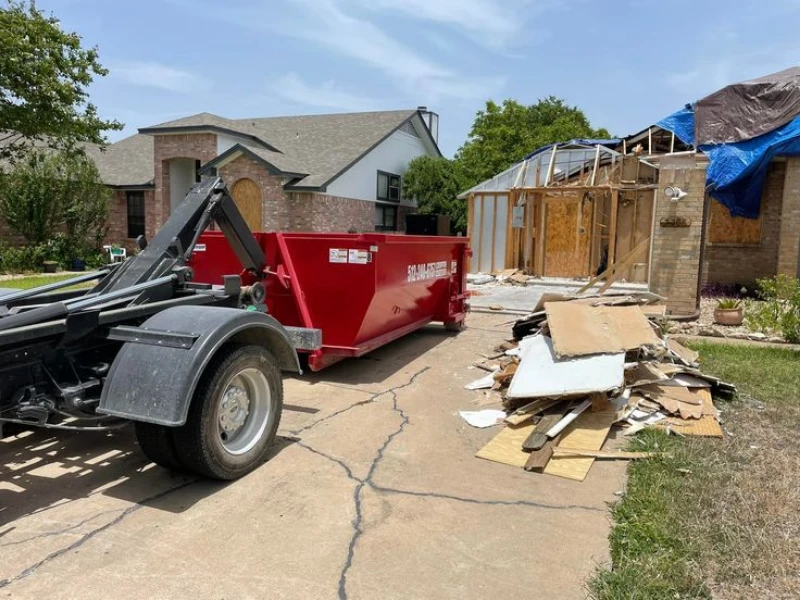
Our team is available to help you size the right container and confirm placement — call or text (945) 325-1415.
Ready to Start Your Dumpster Rental?
Get a Free Dumpster Rental Assessment From Our Expert Team
We respond 24/7 to help you find the right dumpster for your needs.