
Storm & Hail Debris Dumpster Rental in Plano, TX
After a storm hits Plano, you need a dumpster fast — for damaged roofing, downed fencing, broken tree limbs, and whatever else the wind and hail left behind. [Company Name] delivers storm-debris dumpsters anywhere in Plano, often the same day you call, so cleanup can start before your insurance timeline and your patience both run out.
Plano Sits in a Real Severe-Weather Corridor
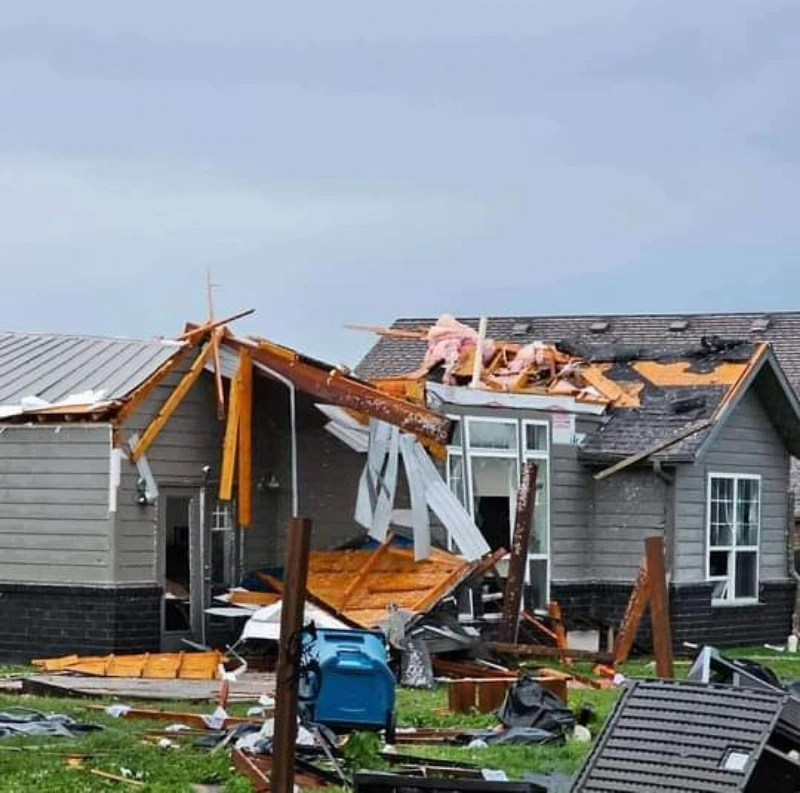
Collin County sits within the broader North Texas severe-weather corridor, and spring — roughly March through June — is the historical peak season for damaging storms, hail, and tornado activity in the DFW area. The National Weather Service’s Fort Worth/Dallas office has tracked Collin County’s tornado record back to 1880, and hail large enough to damage roofing, siding, and fencing is a regular part of North Texas spring weather.
That means storm-debris cleanup isn’t a rare, one-off need in Plano — it’s a predictable seasonal reality. Knowing that a same-day dumpster is available when a storm hits is worth confirming before severe weather season arrives, not after your roof is already damaged.
- Damaged or torn-off roofing shingles and underlayment
- Broken or blown-down fencing (wood, vinyl, chain-link)
- Downed tree limbs and storm-snapped branches
- Damaged siding, gutters, and soffit material
- Storm-damaged outdoor structures (sheds, pergolas, carports)
- Debris from a damaged deck or patio cover
- Hail-damaged HVAC housing and exterior fixtures
- Waterlogged insulation or drywall from roof leaks
- Broken glass or window screens from wind and hail impact
- Mixed debris from more than one part of the property at once
Storm damage in Plano typically generates a mix of debris types, often from more than one part of the property at once.
Because storm damage often hits several parts of a property at the same time, a single dumpster frequently ends up holding a mix of roofing debris, wood, and yard debris rather than one clean material type.
Telling us what you’re dealing with when you book — roof-only, or roof plus fencing and trees — helps us size the container correctly.
The right size depends more on the actual mix of debris than how big the pile looks once it’s cleared.
What’s Not Accepted
Some storm-related items require separate handling and aren’t accepted in a standard roll-off: hazardous materials, downed power lines or anything still connected to an electrical source, paint cans and chemical containers unless fully dried, appliances containing refrigerants unless flagged in advance, and standing water or liquid waste of any kind.
If a downed line or exposed wiring is part of your storm damage, treat it as a safety issue first and contact the utility company before touching any debris near it.
Roofing Debris After Hail or Wind Damage
Roof damage is one of the most common reasons Plano homeowners need a storm dumpster. A full roof tear-off and replacement generates a significant amount of shingle and underlayment debris, and shingles are heavier than most people expect — similar in weight profile to other dense construction debris.
Most single-family roof replacement jobs in Plano fit a 20-yard dumpster, though the right size depends on your roof’s square footage and how many layers of shingles are being removed. If your storm damage includes roof work along with fencing or tree debris, tell us both when you book so we can size for the combined weight, not just the roofing alone.
Fencing, Trees, and Yard Debris After a Storm
Wind and hail don’t stop at the roof. Fencing sections, tree limbs, and yard debris are just as common after a Plano storm, and they bring their own sizing considerations — wood fencing is bulkier but lighter, while metal posts and chain-link add weight faster than their volume suggests.
Fencing Damage
Wood, vinyl, and chain-link fence sections all break down differently. Wood fencing is bulkier but lighter; metal posts and chain-link material are denser and add weight faster than the volume suggests.
Tree Limbs and Storm-Snapped Branches
Freshly broken, wet branches weigh significantly more than dry, seasoned wood. If a storm brought down a large limb or a full tree, mention the approximate size so we can recommend a container that accounts for the weight.
Mixed Yard Debris
Leaves, mulch, and smaller branches scattered by wind are usually light enough to fold into a general storm-cleanup container, but a large amount of storm-torn landscaping debris may be worth a separate container.
Roofing and Shingle Debris
Shingles and underlayment from a full tear-off are heavier than most people expect, and often the single largest weight contributor in a combined storm-damage load.
Structural and Outbuilding Damage
Damaged sheds, carports, pergolas, and deck covers add bulk and weight beyond typical yard or fence debris — flag these when booking so we can size accordingly.
Combined Storm-Damage Loads
Most Plano storm cleanups mix two or more debris types at once. Telling us the full picture — not just the most visible damage — leads to a more accurate size recommendation.
Which Container Size Fits Storm Damage?
Storm damage varies more than almost any other project type, since it depends entirely on what the storm actually hit.
A few general patterns can help you get started before you call.
10-Yard Dumpster
A single damaged fence section, a small amount of roofing debris from a repair rather than a full tear-off, or storm-scattered yard debris from a limited area.
15-Yard Dumpster
A moderate combination of fence repair debris and tree limb cleanup, or a partial roof repair.
20-Yard Dumpster
A full roof tear-off and replacement is the most common driver of this size. Also a common choice for combined roofing-plus-fencing storm damage.
30-Yard Dumpster
Significant combined damage: a full roof replacement along with major fencing or tree damage, or storm damage affecting multiple structures on the property.
40-Yard Dumpster
Extensive property-wide storm damage, often involving a damaged outbuilding, major tree loss, and full roofing and fencing replacement together.
Not Sure Which Size Fits?
Describe what the storm damaged — roof, fence, trees, or a combination — and give us a rough sense of scale.
We’ll recommend a size based on the actual debris mix and weight, not just a guess.
Why Storm Damage Sizing Is Different
Because storm debris often mixes multiple materials at once, sizing for a storm cleanup usually calls for a bigger container than the same square footage of a single-material project like a roof tear-off alone.
How Debris Mix Changes Your Sizing
Roofing, fencing, and tree debris all carry different weight profiles. A few points worth keeping in mind when you’re estimating your own project:
- Roofing shingles are dense and reach a weight allowance faster than their pile size suggests
- Wet, storm-fresh tree limbs weigh more than dry, seasoned wood
- Chain-link and metal fencing add weight faster than wood fencing
- A mixed load is billed based on its heaviest components, not an average
- Waterlogged debris from roof leaks weighs more than dry material
- A property with damage in multiple areas usually needs a larger container than any single type of damage alone
- Telling us your full debris mix up front is the best way to get an accurate size recommendation
- Same-day availability can affect which sizes are ready for immediate delivery
When in doubt, describe everything the storm damaged, not just the most visible part, and we’ll match it to the right size.
When You Need a Larger Container From the Start
A full roof replacement combined with major fencing or tree damage usually calls for planning around a 30-yard container from the outset.
Starting with the right size avoids a mid-project swap that adds time and cost to a cleanup that’s already time-sensitive.
When to Plan for a Swap
If your storm damage is extensive enough that one container may not hold everything, ask about swap pricing and timing before you book.
Knowing the swap cost up front means a larger cleanup doesn’t turn into a mid-project surprise.
Roofing Debris After Hail or Wind Damage
A full roof tear-off and replacement generates a significant amount of shingle and underlayment debris. Most single-family roof replacement jobs in Plano fit a 20-yard dumpster, though the right size depends on your roof’s square footage and how many layers of shingles are being removed.
Fencing Damage in Detail
Wood, vinyl, and chain-link fence sections all break down differently. Wood fencing is bulkier but lighter; metal posts and chain-link material are denser and add weight faster than the volume suggests.
Tree Limbs and Storm-Snapped Branches
Freshly broken, wet branches weigh significantly more than dry, seasoned wood. If a storm brought down a large limb or a full tree, mention the approximate size so we can recommend a container that accounts for the weight, not just the visual bulk.
Mixed Yard Debris From Wind
Leaves, mulch, and smaller branches scattered by wind are usually light enough to fold into a general storm-cleanup container, but a large amount of storm-torn landscaping debris may be worth a separate container from your roofing or fencing debris.
Siding, Gutters, and Soffit Damage
Hail and wind commonly damage exterior siding, gutters, and soffit material alongside roofing. This debris is lighter than shingles but still adds up quickly on a property with widespread damage.
Damaged Outbuildings and Structures
Sheds, pergolas, carports, and deck covers damaged by storms add bulk and weight beyond typical roofing or fencing debris. Flag any structural damage when booking so we can size the container correctly.
Waterlogged Material From Roof Leaks
A damaged roof often lets water into the attic or interior, leading to waterlogged insulation or drywall. Wet material is significantly heavier than the same material dry, which matters for weight-based pricing.
Hail-Damaged Fixtures
HVAC housing, exterior light fixtures, and other hail-damaged fixtures are commonly cleared out alongside roofing and siding debris during a full storm-damage cleanup.
Coordinating Cleanup Across Multiple Damage Types
Most Plano storm cleanups involve more than one type of damage at once. Telling us the full scope up front — not just the most visible damage — leads to a more accurate size and price.
When Debris Should Be Split Into Separate Containers
If your storm damage is extensive enough to include a full roof replacement plus major fencing or tree work, ask us whether one large container or two separately sized containers makes more sense for your project.
Timing Storm Cleanup Around Contractor Availability
During a widespread storm event, roofing contractors and restoration companies can be booked solid for weeks. If your cleanup timeline depends on contractor availability, tell us so we can plan your rental period around the actual schedule.
Storm Debris From Detached Structures
Detached garages, fences shared with a neighboring property, and freestanding structures can complicate placement and access. Mention any of these when you book so delivery goes smoothly.
What’s Not Accepted After a Storm
Some storm-related items require separate handling and aren’t accepted in a standard roll-off container:
If you’re not sure whether something in your project falls into this category, ask before loading it.
- Hazardous materials (items showing possible asbestos content in older roofing or siding)
- Downed power lines or anything still connected to an electrical source
- Paint cans and chemical containers, unless fully dried and hardened
- Appliances containing refrigerants, unless flagged in advance
- Standing water or liquid waste of any kind
- Propane tanks or fuel containers
- Fluorescent tubes and other items containing mercury
- Any material your contractor identifies as potentially hazardous
- Items still actively leaking or contaminating surrounding debris
If a downed line or exposed wiring is part of your storm damage, treat it as a safety issue first and contact the utility company before touching any debris near it.
Flagging a questionable item up front is always easier than dealing with it after the container is full.
Storm-Debris Dumpster Pricing in Plano
[Company Name]’s flat rate for a storm-debris dumpster includes delivery, pickup, disposal, and a set weight allowance — [insert your real starting price by size]. Because storm debris often mixes roofing material, wood, and yard waste, the weight allowance matters more here than it does for a single-material project.
What can change your price:
- Container size and weight allowance
- Debris mix (roofing, fencing, trees, mixed yard waste)
- Whether debris is wet from recent rain
- Delivery distance within our Plano service area
- Whether a street or right-of-way permit is needed
- Same-day or next-day delivery
- Rental period length
- Whether a swap or second container is needed
- Whether the project involves structural or outbuilding debris
- Whether the debris includes hail-damaged fixtures or siding
If you go over your included weight allowance, you’ll be billed at a clearly stated per-ton rate, disclosed before you book — not calculated for the first time after pickup. Telling us your debris mix up front is the best way to get an accurate price.
A Note on Insurance-Related Timelines
If your storm cleanup is tied to an insurance claim, your adjuster may need to see and document the damage before debris is fully cleared.
Take photos of all storm damage — roof, fencing, trees, and any structural damage — before you begin loading the dumpster, and check with your insurance company about their documentation requirements before disposal.
This isn’t something we can advise on directly, but it’s worth handling before debris leaves your property, not after.
Questions to Ask Before You Book Storm-Debris Cleanup
A few questions worth asking any Plano storm-debris dumpster company before you book:
- Is delivery, pickup, and disposal all included in the flat rate?
- What’s the included weight allowance, and what’s the per-ton overage rate?
- Is same-day or next-day delivery actually available right now?
- What’s the standard rental period, and what’s the daily rate after that?
- Is swap service available, and what does it cost?
- Does the company handle the street/right-of-way permit, or is that on me?
- Is the hauler permitted under the City of Plano’s hauler program?
- Does the company size differently for roofing versus fencing versus mixed storm debris?
- Will the company confirm HOA placement rules if I’m in a managed community?
- Can my roofing contractor coordinate delivery directly?
- Who do I call for an early pickup, a swap, or an additional container?
- How quickly can you respond during active storm season?
If a company won’t answer these clearly before you book, that’s worth noting.
[Company Name] discloses all of this up front — size, weight allowance, overage rate, and rental length — before you commit to anything.
Same-Day and Urgent Delivery After a Storm
Storm damage doesn’t wait for a convenient delivery window, and neither should you. Same-day delivery is often available for Plano addresses, especially important right after a storm when tarping, temporary repairs, and cleanup all need to happen quickly. If you’re dealing with active storm damage, call or text us directly rather than booking online.
Driveway Placement
Most storm-debris containers are placed on the driveway, which is usually the simplest option, especially when you need delivery quickly.
Street or Right-of-Way Placement
If your driveway is blocked by fallen debris or a damaged structure, placing the container on the street or public right-of-way may require a temporary permit from the City of Plano. Ask us about the permit process if a driveway placement isn’t an option — this is common enough after a significant storm that we’re used to sorting it out quickly.
HOA Communities After a Storm
Most Plano HOAs understand that storm cleanup is time-sensitive, but screening and placement rules still generally apply. If your community requires screening or has a placement time limit, mention it when you book so we can plan around it.
Working Around Downed Trees and Damage
Let us know if fallen trees, damaged fencing, or debris blocks normal delivery access to your property. We can plan around it, but advance notice helps delivery go smoothly on a day when time already matters.
Storm Cleanup Safety
A few safety basics matter more after a storm than during routine cleanup:
- Stay away from any downed power lines or wiring — contact the utility company, don’t attempt to move debris near it yourself
- Wear gloves and sturdy footwear when handling broken roofing material, glass, or splintered wood
- Watch for weakened tree limbs still overhead before working underneath them
- Keep children and pets away from the debris pile and the container until cleanup is complete
- Don’t climb onto a damaged roof yourself to assess or remove debris — leave that to a roofing professional
- Wear a mask when handling waterlogged insulation or drywall to avoid mold exposure
Taking these precautions matters more during storm cleanup than routine projects, since debris is often unpredictable and property access may be limited.
A Few Practical Tips Before You Start
Clear a path from your work area to the dumpster before delivery so loading goes smoothly.
If you’re dealing with roofing debris, coordinate with your contractor on timing so the container is there when tear-off begins, not after.
Take a few photos of your property before delivery in case you need to document pre-existing conditions for insurance purposes.
How Storm-Debris Dumpster Service Works
Tell Us About Your Project
Call or text us with what the storm damaged — roof, fence, trees, or a combination — and your material type and rough quantity. This helps us recommend the right size, fast.
Choose Container Size
Based on your damage mix and scope, we’ll recommend a size that fits your weight allowance, not just your volume.
Schedule Delivery
Pick a delivery day and placement spot. Same-day delivery is often available for Plano addresses.
Delivery Day
We deliver the container to the agreed spot and confirm you’re set to start loading.
Load at Your Own Pace
Load storm debris during your rental period. Keep material inside the walls of the container, below the fill line, and distributed evenly.
Swap or Request Pickup
If you fill the container before your project is done, ask about a swap. When you’re finished, call or text us to schedule pickup.
Final Removal
We pick up the container and haul the debris to an appropriate recycling or disposal facility.
Keeping Storm Cleanup on Budget
A few habits keep storm-debris projects from running over budget:
Flag Your Full Debris Mix Up Front
Telling us about all the damage — not just the most visible part — helps us size the container correctly and avoid a surprise overage fee.
Avoid Overloading
Keep material below the fill line and inside the container walls. Overloaded containers can’t be safely transported and may require you to remove material before pickup.
Don’t Mix in Hazardous Items Without Flagging Them
Items like paint cans, chemical containers, or anything showing possible asbestos content need to be flagged and handled separately.
Break Large Pieces Down Before Loading
Smaller pieces of roofing debris, fencing, or branches distribute weight more evenly and load faster.
This also makes it easier to judge how much room you have left in the container.
Load Dry When You Can
Wet debris from recent rain weighs more than the same material dry. If you can time your loading around dry weather, your load will weigh less.
Ask About a Swap Before You Need One
If your storm damage is extensive, ask about swap pricing before you book so there are no surprises mid-project.
When Storm Debris Peaks in Plano
Storm-debris volume in Plano follows a seasonal pattern tied to the region’s severe-weather climatology.
Spring
Spring — roughly March through June — is the historical peak season for damaging storms, hail, and tornado activity in the DFW area, and the busiest time for storm-debris cleanup in Plano.
Summer
Summer can still bring severe thunderstorms and occasional hail, though with less frequency than spring.
Fall
Fall storm activity is generally lower than spring, though North Texas weather can still produce damaging wind and hail events.
Winter
Winter is generally the slowest season for storm-debris cleanup, though ice storms and high wind events do occur.
No Fixed Timeline
Whatever the season, we can typically accommodate short-notice bookings for Plano addresses — call or text to check current availability.
Where Storm Debris Actually Goes
Roofing debris is typically processed through construction and demolition (C&D) disposal channels rather than standard household waste, similar to other renovation debris.
Tree limbs and yard debris from storm cleanup follow a path closer to routine yard waste disposal.
Plano’s broader waste system connects to regional facilities managed through the North Texas Municipal Water District (NTMWD), along with dedicated construction and demolition disposal capacity serving the greater Collin County area, including a C&D landfill in nearby McKinney.
Keeping your storm-debris load organized by material type, where possible, helps make sure it’s routed to the right disposal or recycling path.
Storm Debris vs. Routine Yard Waste
Storm debris and routine yard waste look similar but aren’t quite the same. Here’s how the two compare:
| Factor | Storm-Debris Dumpster | Routine Yard Waste Dumpster |
| Debris types | Roofing, fencing, trees, structural — often mixed | Leaves, branches, sod, landscaping material |
| Timing | Often needed same-day or next-day | Scheduled around a planned project |
| Weight profile | Heavier — shingles and structural debris add up fast | Lighter, unless dirt or sod is involved |
| Sizing approach | Sized for a mixed, often unpredictable damage scope | Sized for a known, planned cleanup |
| Insurance relevance | Often tied to a claim — documentation matters | Rarely involves insurance |
| Best for | Roof, fence, or structural storm damage | Seasonal cleanup, landscaping projects |
If your storm damage is limited to yard debris — no roofing or fencing involved — a standard yard waste dumpster may be all you need. If it includes roofing, structural, or fencing damage, a storm-debris container sized for that mix is the better fit.
Working With Your Roofing Contractor or Insurance Adjuster
If a roofing contractor or restoration company is handling your storm repair, coordinating the dumpster with their schedule keeps the project moving.
A few things to sort out before delivery:
- Confirm who is responsible for booking the container — you or the contractor
- Share the container size and placement location with the contractor ahead of time
- Ask your contractor whether they expect roofing debris only, or a mix with fencing and trees
- Coordinate delivery timing with the start of tear-off work
- Confirm whether the project will need a swap for a larger roof
- Ask who will be present for delivery and pickup
- If your adjuster requires photos or an in-person inspection, confirm that’s complete before loading begins
- Share any HOA placement requirements with the contractor
Clear communication up front, especially during a busy storm season when contractors are handling multiple jobs at once, helps avoid delays.
Storm Response Across Plano
Storm damage doesn’t hit every part of Plano the same way. A hail event or wind damage can affect West Plano’s larger properties, Central and North Plano’s established neighborhoods, and East Plano’s older housing stock differently, depending on roof age, tree cover, and construction type.
Older roofs in East Plano’s 1970s and 1980s housing stock may need a full tear-off after hail damage that a newer roof would only need repaired.
West Plano’s larger, more heavily landscaped properties often generate more tree debris alongside roofing or fencing damage.
Telling us your neighborhood and the specific damage you’re facing helps us plan delivery and sizing more accurately, no matter where in Plano you are.
Storm & Hail Debris Checklist
Confirm your damage type: roofing, fencing, trees, or a combination
Take photos of all storm damage before loading debris, especially if you’re filing an insurance claim
Check with your insurance company about documentation requirements before disposal
Choose a container size based on your debris mix and weight, not just visual volume
Confirm the included weight allowance and per-ton overage rate
Ask about same-day delivery if your cleanup is time-sensitive
Decide on a placement spot: driveway, curb, or a cleared area
Check HOA rules on placement and screening if you’re in a managed community
Ask about a street/right-of-way permit if a driveway placement isn’t possible
Confirm your rental period and the daily rate after that
Ask about swap service if your project may need more than one container
Coordinate timing with your roofing contractor if one is involved
Stay clear of any downed power lines or exposed wiring
Wear gloves and sturdy footwear when handling debris
Load debris inside the container walls, below the fill line
Load dry material when you can to reduce weight
Break large pieces of roofing or fencing debris down before loading
Watch for weakened tree limbs before working underneath them
Keep children and pets away from the debris pile and container
Schedule pickup as soon as your cleanup wraps up
Keep our number handy for questions about swaps, early pickup, or add-on containers
Get in Touch
For emergency Dumpster Rental, call us immediately. We’re available 24 hours a day, every day. For non-emergency inquiries, use the form or contact methods below.
Phone number
Call (945) 325-1415
Address
1100 Capital Ave, Plano, TX 75074
Hours of Operation
Open 24 hours a day
7 days a week
Storm & Hail Debris Dumpster FAQs
Still Have Questions About Storm Cleanup?
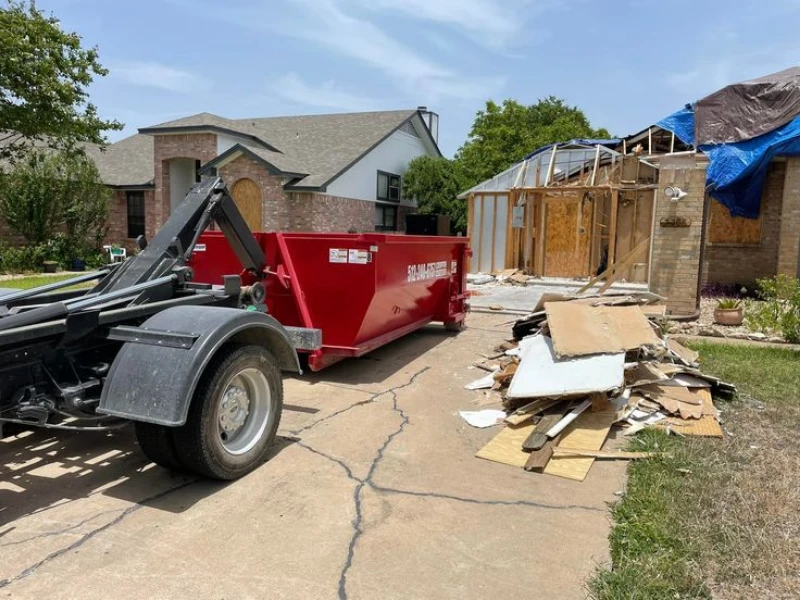
Our team is available to help you size the right container and schedule delivery around your project — call or text (945) 325-1415.
Ready to Start Your Dumpster Rental?
Get a Free Dumpster Rental Assessment From Our Expert Team
We respond 24/7 to help you find the right dumpster for your needs.