Yard Waste & Landscaping Dumpster Rental in Plano, TX
Most yard waste and landscaping cleanups in Plano fit a 15 or 20-yard dumpster — a full landscaping overhaul, sod removal, or storm-damaged yard usually calls for a 30-yard. [Dumpster Rental TX] delivers flat-rate dumpsters anywhere in Plano, sized around what actually drives the cost on a yard project: how heavy the material is, not just how much space it takes up.
What Fits in a Yard Waste & Landscaping Dumpster?
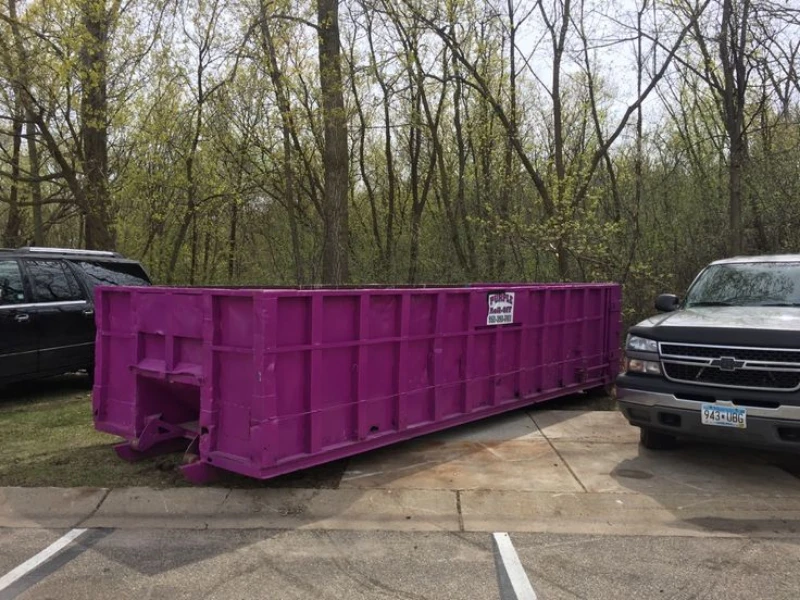
Yard waste sizing works differently than a household cleanout. Branches, brush, and leaves take up a lot of space without weighing much — but dirt, sod, and wet green waste are dense enough to hit a weight allowance long before the container looks full.
Not sure what you’re clearing yet? Tell us roughly what’s in the mix — branches and leaves, or dirt and sod — and we’ll recommend a starting size, with the option to size up if needed.
- Branches, brush, and tree limbs
- Grass clippings and leaves
- Shrubs and small plants (root ball included)
- Sod
- Dirt and soil in reasonable quantities
- Mulch and wood chips
- Small to medium tree stumps
- Dead plants and general yard debris
- Fallen limbs from storm damage
- Old landscaping timbers (if part of the same project)
A truckload of branches and leaves can weigh a fraction of the same-size load of wet sod or soil — that’s the single most important thing to understand before booking a yard waste dumpster.
Dirt and sod are in a different weight class. A layer of dirt or sod just a few inches deep can weigh as much as a full container of branches and leaves.
Wet and freshly cut green waste weighs more than dry debris. Grass clippings, wet leaves, and recently cut branches hold water weight that dry brush doesn’t.
Mixing yard waste with construction debris changes the load. Fence removal, deck demolition, or old landscaping timbers mixed into a yard cleanup shift the load into a different category — let us know if your project includes anything beyond plants, branches, and soil.
Separate Dirt and Sod From Lighter Yard Waste If You Can
Even if it all goes in the same container, knowing roughly how much of each you have helps us size the weight allowance accurately.
Cut larger branches down before loading — smaller pieces pack more efficiently than long branches that leave gaps.
Multiple Passes Are Normal
It’s common to fill a container faster than expected once dirt or sod gets added to a load of yard waste. That’s a routine part of landscaping projects, not an exception — ask us about a swap if that happens.
[Insert your real standard rental period, e.g., “10-14 days included, $X/day after”] — tell us your project timeline when you book.
Yard Waste & Landscaping Cleanups Across Plano
These projects happen citywide, but the mix of material and typical volume shifts depending on the property and season.
West Plano Landscaping Projects
Master-planned communities like Willow Bend and Lakeside on Preston often require HOA coordination — we confirm placement and screening rules directly for landscaping and yard waste projects.
Central & North Plano Yard Cleanups
Established neighborhoods like Deerfield and Russell Creek see steady seasonal yard cleanups as mature trees and landscaping hit their maintenance cycle.
East Plano Yard Projects
Older, established sections of East Plano often involve larger lots with more yard debris per cleanup — usually a 20-yard job.
Legacy West & Nearby Communities
Smaller yards and townhomes near communities like Legacy West typically need our smallest yard waste sizes — a 15-yard usually covers a routine cleanup.
Routine Yard Cleanups
The most common yard waste project we handle — branches, brush, and leaves, typically a 15-yard.
Landscaping Overhauls & Sod Removal
Full-yard redesigns, sod removal, or storm-damaged yards usually call for a 20 or 30-yard given the added weight.
Which Container Size Fits Your Yard Project?
Yard waste and landscaping projects are priced by weight more than almost any other project type, so container size depends on what’s in the load — not just how much space it takes up.
Tell us what you’re clearing — branches and leaves, or dirt and sod — and we’ll size it for you rather than making you guess.
10 Yard Dumpster
Not typically sized for a full yard cleanup — better suited to a small, contained portion of a larger project.
15 Yard Dumpster
Our most common size for a routine yard cleanup — branches, brush, and leaves from an average Plano yard.
20 Yard Dumpster
Best fit for a larger landscaping overhaul, redesign, or a yard cleanup that includes some dirt or sod.
30 Yard Dumpster
Best fit for sod removal, significant soil work, or a storm-damaged yard where weight adds up fast.
40 Yard Dumpster
Rarely needed for a yard waste project alone — see our 40-Yard page if your project also involves larger construction or demolition debris.
Not Sure Between Two Sizes?
If your project mixes light yard waste with dirt or sod, it’s worth sizing up. A dumpster that’s slightly too big costs less than a second delivery or an overage fee.
Not sure what you’re working with yet? Call and describe the project in general terms, and we’ll recommend a starting size with the option to size up.
Light Yard Waste vs. Dense Material — Sizing Differs
Clearing branches and leaves generates a very different weight than clearing the same volume of dirt or sod.
When a Single Container Is Enough
A routine yard cleanup with a clear scope often needs just one container if:
- The project is mostly branches, brush, and leaves
- You’re not removing a significant amount of dirt or sod
- The debris is dry rather than freshly cut or rain-soaked
- There’s a clear placement spot for the container’s full duration
- You’ve sized up rather than picked the smallest option that might fit
- You’re not combining the project with construction or demolition debris
- You’ve flagged any dirt or sod when booking
- You don’t anticipate needing a second delivery for a later pass
If any of that doesn’t sound like your project, sizing up or planning for a swap is the better fit.
When to Plan for a Swap
Landscaping projects that add dirt or sod partway through, or storm cleanups that turn out bigger than expected, often fill a container faster than planned and need it swapped for an empty one.
Swapping avoids paying for a second full rental each time you need more room — just call or text when you’re ready.
When You Need a Larger Container From the Start
If you already know your project includes sod removal, significant soil work, or storm-driven debris, starting with a 30-yard is often more efficient than swapping a smaller one.
If you’re not sure which setup fits, tell us the scope and we’ll recommend a plan rather than making you guess.
Routine Seasonal Cleanup
Clearing branches, leaves, and general yard debris after a season of growth is the most common yard waste project we deliver for. A 15-yard usually covers a standard residential yard.
Landscaping Redesigns and Overhauls
Removing old shrubs, redoing garden beds, or reworking a yard’s layout generates more volume and often more weight than a routine cleanup. A 20-yard is the size to start with for most full-yard projects.
Sod Removal and Soil Work
Digging up sod or removing soil for a regrade, new bed, or drainage project is the yard task most likely to catch people off guard on weight.
Even a modest area of sod is heavier than it looks — size up and flag it when you book.
Storm-Damaged Yards
Downed branches, uprooted shrubs, and storm-driven yard debris often need a 30-yard, especially when storm cleanup overlaps with routine yard debris from the same event.
If your project follows storm damage, tell us that when you book — we prioritize fast delivery for storm-response jobs.
Tree Stump and Root Removal
Small to medium stumps are usually fine for a standard roll-off — ask before you load one.
Larger Stumps
Larger stumps with extensive root systems sometimes need separate equipment or handling. Flag any large stump removal when you book so we can plan for it.
Mixed Projects: Yard Waste Plus Construction Debris
Fence removal, deck demolition, or a hardscaping project mixed into a yard cleanup shifts the load into a different category than pure yard waste.
Let us know if your project includes anything beyond plants, branches, and soil so we can size and price it correctly from the start.
Wet vs. Dry Debris
Wet or freshly cut green waste holds water weight that dry brush doesn’t. If you’re clearing debris right after rain or right after cutting, expect it to weigh more than the same volume of dried-out material.
If rain is in the forecast, loading before the debris gets soaked keeps the weight — and your allowance — more predictable.
Loading Tips for a Mixed Load
Load heavier material first, lighter material on top, and keep everything below the rim — standard practice for any roll-off, and especially relevant when a load mixes light brush with dense dirt or sod.
Cutting Branches Down First
Smaller pieces pack more efficiently than long branches that leave gaps, which means more usable space in the container.
What Can and Can’t Go In Your Yard Waste Dumpster
Most yard waste and landscaping debris is straightforward to dispose of in a standard roll-off.
Typically accepted:
- Branches, brush, and tree limbs
- Grass clippings and leaves
- Shrubs and small plants
- Sod (flag it when booking)
- Dirt and soil in reasonable quantities (flag it when booking)
- Mulch and wood chips
- Small to medium tree stumps
- Dead plants and general yard debris
- Storm-fallen branches and limbs
Not accepted in a standard roll-off:
Treated or chemically-sprayed wood, hazardous waste and chemicals, batteries, tires, electronics, liquid paint, and construction debris that isn’t part of the same project. Large tree stumps with extensive root systems sometimes need separate equipment — ask before you plan around one.
Yard Waste & Landscaping Dumpster Pricing in Plano
[Company Name]’s flat rate for a yard waste dumpster includes delivery, pickup, disposal, and a set weight allowance — [insert your real starting price by size]. Public 2026 market data for the Dallas–Collin County area shows roll-off pricing typically running in the roughly $325–$600 range depending on size and weight.
What can change your price:
- Container size and count
- Included weight allowance
- Whether the load includes dirt or sod
- Delivery distance within our Plano service area
- Whether the property needs a street/right-of-way permit
- Same-day or next-day delivery
- Whether debris is wet or freshly cut
- Rental period length
- HOA screening or placement requirements
- Whether a swap or second container is needed
If you go over your included weight allowance, you’ll be billed at a clearly stated per-ton rate, disclosed before you book — not sprung on you after pickup. Because dirt, sod, and wet green waste are the most common way a yard waste load runs heavier than expected, telling us your material mix up front is the single best way to avoid an overage fee.
How Long You’ll Need It
A routine yard cleanup often wraps in a day or two.
Larger landscaping projects, sod removal, or storm cleanup can take longer. [Insert your real standard rental period, e.g., “10-14 days included, $X/day after”] gives you room for a longer project if you need it.
If your project is likely to stretch past a few days, tell us when you book so we can set expectations up front rather than surprise you with a daily rate partway through.
Questions to Ask Before Accepting a Quote
A few questions worth asking any Plano yard waste dumpster company before you book:
- Is delivery, pickup, and disposal all included in the flat rate?
- What’s the included weight allowance, and what’s the per-ton overage rate?
- Is the overage rate disclosed before delivery, or only after pickup?
- What’s the standard rental period, and what’s the daily rate after that?
- Is swap service available, and what does it cost?
- Does the company handle the street/right-of-way permit, or is that on me?
- Is the hauler permitted under the City of Plano’s hauler program?
- What’s not allowed in the container?
- Is same-day or next-day delivery actually available?
- Does the company size differently for dirt or sod versus light yard waste?
- Will the company confirm HOA placement rules if I’m in a managed community?
- Who do I call for an early pickup, a swap, or an additional container?
If a company won’t answer these clearly before you book, that’s worth noting.
[Company Name] discloses all of this up front — size, weight allowance, overage rate, and rental length — before you commit to anything.
Delivery, Placement, and Plano’s Permit Rules
Where your dumpster sits matters as much as its size. A driveway placement is the simplest option for most yard and landscaping projects — it protects your lawn and keeps the container close to your work area.
Choosing the Placement Area
Tell us where you’d like the container placed when you book — driveway, curb, or a cleared area of the yard. We’ll confirm the spot works before delivery day.
Placement on Grass or Gravel
Placing a loaded roll-off directly on grass can leave ruts or bare patches, especially after rain softens the ground. If a driveway isn’t an option, ask us about boards or plywood under the wheels to spread out the weight.
HOA and Master-Planned Communities
Many Plano neighborhoods have HOA rules about how long a dumpster can sit in view from the street. Check your HOA guidelines before booking, and let us know if your community has specific placement or screening requirements.
Street or Public Right-of-Way
Placing a container on the street or public right-of-way may require a permit from the City of Plano. If your driveway can’t fit the container, ask us about the permit process when you book.
Protecting Your Driveway and Lawn
A few precautions go a long way toward keeping your driveway and lawn in good shape:
- Ask about protective boards under the dumpster’s wheels
- Avoid placing the container on soft or recently watered grass
- Keep loading equipment (wheelbarrows, tractors) off delicate landscaping
- Load evenly so the container doesn’t sit unevenly on uneven ground
- Point sharp stakes, rebar, or edging away from the container’s tires when loading
- Ask us about placement options if your driveway slopes steeply
These small steps help avoid unnecessary repair costs once the project wraps up.
A Few Practical Tips Before You Start
Clear a path from your work area to the dumpster before delivery so loading goes smoothly.
If you’re removing sod or dirt, stage it close to the container’s final position — moving heavy material any real distance adds time and effort.
Take a few photos of your driveway and yard before delivery in case you need to document the condition afterward.
How Yard Waste Dumpster Service Works
Tell Us About Your Project
Call or text us with your project type — routine cleanup, landscaping overhaul, sod removal, or storm damage — and whether you’ll have dirt, sod, or wet material. This helps us recommend the right size.
Choose Container Size
Based on your project scope and material type, we’ll recommend a size that fits your weight allowance, not just your volume.
Schedule Delivery
Pick a delivery day and placement spot. Same-day delivery is often available for Plano addresses.
Delivery Day
We deliver the container to the agreed spot and confirm you’re set to start loading.
Load at Your Own Pace
Load yard waste and landscaping debris during your rental period. Keep material inside the walls of the container and avoid packing it down into unauthorized items.
Swap or Request Pickup
If you fill the container before your project is done, ask about a swap. When you’re finished, call or text us to schedule pickup.
Final Removal
We pick up the container and haul the debris to an appropriate disposal or recycling facility.
Keeping a Yard Waste Project on Budget
A few habits keep yard and landscaping projects from running over budget:
Flag Dirt and Sod Up Front
Dirt and sod are dense. Telling us about them when you book helps us size the container correctly and avoid a surprise overage fee.
Avoid Overloading
Keep material below the fill line and inside the container walls. Overloaded containers can’t be safely transported and may require you to remove material before pickup.
Don’t Mix in Construction Debris Without Flagging It
Fence sections, deck boards, or old landscaping timbers are heavier and are billed differently than plant material. Let us know if your project includes them.
Load Dry When You Can
Wet, waterlogged material weighs significantly more than the same material dry. If you can time your loading around dry weather, your load will weigh less.
Ask About a Swap Before You Need One
If you know your project will produce more debris than one container can hold, ask about swap pricing before you book so there are no surprises mid-project.
Confirm Your Rental Period
Know your included rental days and the daily rate after that so a slower project doesn’t turn into an unexpected cost.
These habits apply to almost every yard waste and landscaping project in Plano, regardless of size.
When Yard Waste Peaks in Plano
Yard waste volume in Plano follows a seasonal pattern tied to the local climate and typical landscaping schedules.
Spring
Spring is typically the busiest season for yard waste. Winter cleanup, spring planting prep, and fresh growth all generate debris at once. Booking a few days ahead is a good idea during peak spring weeks.
Summer
Summer brings steady mowing, trimming, and irrigation-related growth, plus storm debris after severe weather.
Fall
Fall leaf cleanup and pre-winter yard prep create another seasonal peak, especially as trees drop leaves across North Texas.
Winter
Winter is generally the slowest season for routine yard waste, though storm or freeze damage can create sudden cleanup needs.
No Fixed Timeline
Whatever the season, we can typically accommodate short-notice bookings for Plano addresses — call or text to check current availability.
Yard Waste Dumpster Safety
A few safety basics apply to any yard waste project:
Wear gloves when handling thorny plants, broken branches, or material with hidden debris like nails or wire.
Keep children and pets away from the container and the loading area.
Don’t climb into the container to compact material — this creates a fall risk and isn’t necessary with proper loading.
Yard Waste Dumpster vs. Bulk Curbside Pickup
Plano offers bulk curbside collection for some yard waste, but it comes with real limits compared to a rented container. Here’s how the two compare:
| Factor | Yard Waste Dumpster | Bulk Curbside Pickup |
| Volume limits | Sized to your project (10-40 yards) | Limited pile size per collection |
| Dirt and sod | Accepted (affects weight allowance) | Often restricted or not accepted |
| Timing | Delivered on your schedule, often same-day | Fixed collection day only |
| Loading period | Multiple days to load at your pace | Must be curbside by collection day |
| Mixed debris | Can include some construction debris (flag it) | Yard waste only, strictly enforced |
| Best for | Larger cleanups, landscaping overhauls, sod removal | Small, routine seasonal trimmings |
For larger cleanups, landscaping overhauls, or projects involving dirt and sod, a rented dumpster is usually the more practical and controlled option.
Working With a Landscaping Crew or Contractor
If you’re hiring a landscaping crew for a redesign, sod installation, or large cleanup, coordinating the dumpster with their schedule keeps the project moving.
A few things to sort out with your crew before delivery:
- Confirm who is responsible for booking the container — you or the crew
- Share the container size and placement location with the crew ahead of time
- Ask the crew whether the project will generate dirt, sod, or mixed construction debris
- Coordinate delivery timing with the start of demolition or removal work
- Confirm whether the crew expects to need a swap for a multi-day project
- Ask who will be present for delivery and pickup
- Clarify whether the crew or you will handle loading
- Share any HOA placement requirements with the crew
Clear communication up front avoids delays and prevents the container from being filled with material it wasn’t sized for.
Why Local Plano Logistics Matter
Plano’s mix of established neighborhoods, newer master-planned communities, and busy streets means placement and access can vary a lot from one address to another.
Driveway lengths, HOA rules, and street width all affect how straightforward delivery is. Telling us your neighborhood and any access considerations when you book helps us plan the right approach.
We deliver across Plano, including West Plano, Central and North Plano, East Plano, and Legacy West and nearby communities, so local placement questions are something we handle regularly.
If your street is narrow or your HOA has specific rules about visible containers, mention it up front so we can plan around it.
Yard Waste & Landscaping Checklist
Confirm your project type: routine cleanup, landscaping overhaul, sod removal, or storm damage
Note whether your project includes dirt, sod, or wet/green material
Ask whether any construction debris (fencing, decking) will be mixed in
Choose a container size based on weight, not just volume
Confirm the included weight allowance and per-ton overage rate
Decide on a placement spot: driveway, curb, or yard
Check your HOA’s rules on dumpster placement and screening
Ask about a street/right-of-way permit if a driveway placement isn’t possible
Confirm your rental period and the daily rate after that
Ask about swap service if your project may need more than one container
Clear a path from your work area to the container
Protect your driveway or lawn with boards if needed
Stage sod or dirt close to the container’s final position
Load material inside the container walls, below the fill line
Keep prohibited items out (see the accepted/not-accepted list above)
Load dry material when possible to reduce weight
Coordinate timing with your landscaping crew if you’re hiring one
Confirm who handles booking if a crew is involved
Schedule pickup as soon as your project wraps up
Take photos of your driveway and yard before and after for your own records
Keep our number handy for questions about swaps, early pickup, or add-on containers
Get in Touch
For emergency Dumpster Rental, call us immediately. We’re available 24 hours a day, every day. For non-emergency inquiries, use the form or contact methods below.
Phone number
Call (945) 205-1225
Address
1100 Capital Ave, Plano, TX 75074
Hours of Operation
Open 24 hours a day
7 days a week
Yard Waste & Landscaping Dumpster FAQs
Still Have Questions About Your Yard Project?
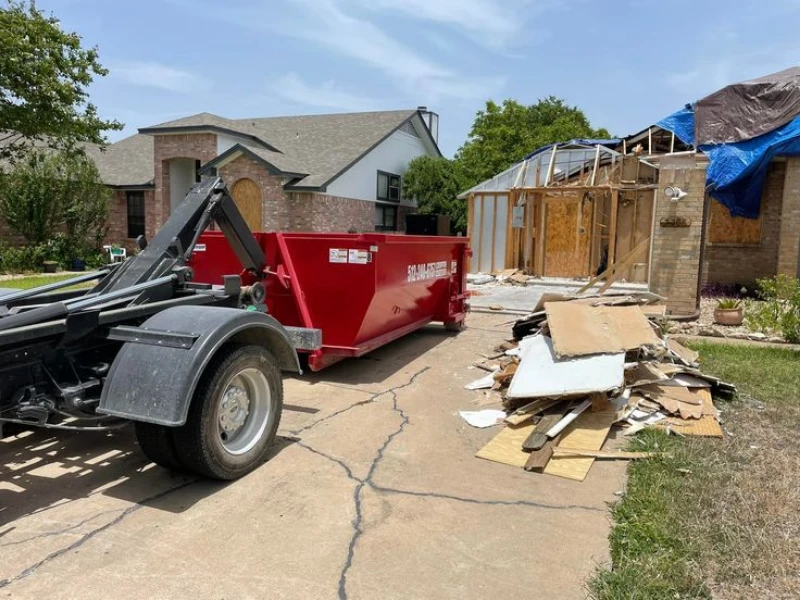
Our team is available to help you size the right container and schedule delivery around your project — call or text (945) 325-1415.
Ready to Start Your Dumpster Rental?
Get a Free Dumpster Rental Assessment From Our Expert Team
We respond 24/7 to help you find the right dumpster for your needs.