Commercial Dumpster Rental for Plano Businesses
An office renovation can produce drywall, flooring, furniture, and packaging in a short time. A retail remodel can create fixtures, shelving, cardboard, and construction debris. A contractor may need a container on site for several phases of a project
That is where commercial dumpster rental in Plano can make cleanup much easier. A commercial dumpster gives your business a designated place for project debris. It can also reduce repeated trips to disposal sites and keep a jobsite more organized.
The right container depends on your business, project size, debris type, rental period, and pickup needs.
A small office cleanout does not need the same setup as a major construction project.
Likewise, a business with ongoing waste may need recurring service instead of a temporary roll-off dumpster. The goal is simple. Choose a waste container that fits the work without paying for capacity or service you do not need.
What Is Commercial Dumpster Rental?
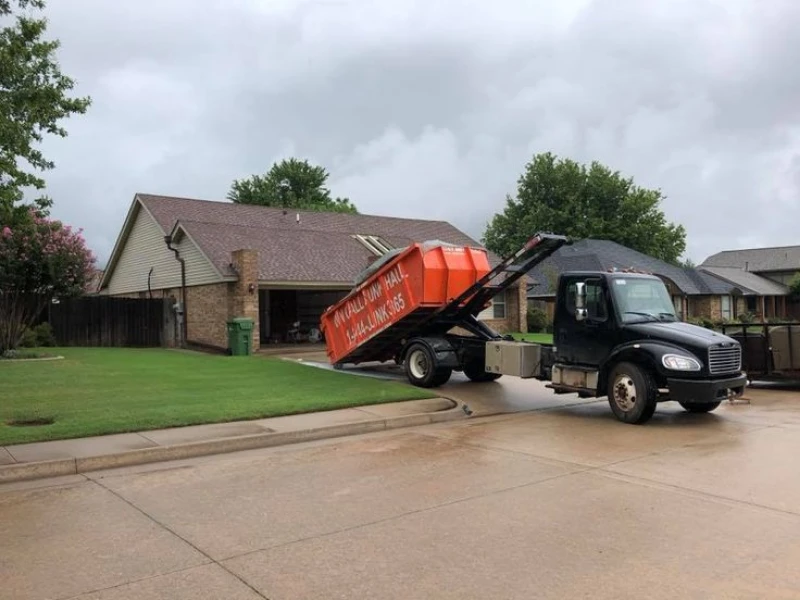
Commercial dumpster rental provides businesses with a temporary or recurring container for waste and project debris.
The service can support many types of commercial work, including:
- Office cleanouts
- Retail renovations
- Restaurant updates
- Warehouse cleanouts
- Construction projects
- Demolition work
- Property turnovers
- Roofing projects
- Commercial remodeling
- Tenant improvements
For short-term projects, a roll-off dumpster often makes sense. The container arrives at the property, stays during the project, and leaves when the work is complete.
Recurring businesses may need a different setup. A restaurant, retail store, office, or apartment property may need scheduled service instead.
Temporary Commercial Roll Off Dumpsters
Temporary roll off dumpsters work well when waste increases for a limited period. A business might need one during an office move. A contractor might need one during a renovation. A property manager might use one during a building cleanout.
The container stays on site while workers load the debris. Once the project is finished, the dumpster is picked up.
Recurring Commercial Dumpster Service
Recurring service can make more sense for businesses that create waste every week. Restaurants, retail locations, offices, warehouses, and apartment properties may have ongoing disposal needs.
In these cases, pickup frequency becomes just as important as container size. The right schedule depends on how quickly the business fills the container.
Commercial Dumpster vs Standard Business Trash Service
These services are not always the same. Regular commercial trash service handles routine waste. A temporary dumpster is more useful when a business suddenly produces a large volume of material.
Think about an office replacing carpet and furniture. Normal trash collection may not handle that project efficiently. A temporary dumpster gives the business one place for the renovation debris.
Who Uses Commercial Dumpsters in Plano?
Commercial dumpster rental can support many types of businesses and projects. The best container depends on the work taking place.
Offices and Corporate Spaces
Office projects can create more waste than expected. Furniture, desks, carpet, drywall, shelving, packaging, and fixtures can quickly fill a container. A dumpster can be useful during office moves, renovations, downsizing, or major cleanouts.
Retail Stores
Retail renovations often involve shelving, displays, flooring, cabinets, cardboard, and old fixtures.
A temporary dumpster can keep those materials away from customer areas. It can also help contractors maintain a cleaner work zone during a store remodel.
Restaurants
Restaurants can create large amounts of waste during renovations and equipment replacements. Old fixtures, cabinets, flooring, counters, packaging, and construction debris may require temporary disposal.
Food waste should not automatically be treated the same way as construction debris. Always confirm what materials the dumpster service accepts before loading.
Warehouses
Warehouse projects can produce bulky materials. Common examples include cardboard, pallets, shelving, damaged fixtures, packaging, and renovation debris.
The layout of the facility also matters. A dumpster should be placed where workers can reach it without creating unnecessary traffic problems.
Apartment Properties
Property managers often face repeated cleanup needs. Tenant turnovers, unit renovations, common area improvements, and property maintenance can all create debris.
A temporary dumpster can help during larger cleanouts. Property managers with multiple locations may also benefit from planned scheduling.
Contractors and Construction Companies
Contractors are among the most common commercial dumpster users. Construction projects can produce drywall, lumber, flooring, cabinets, roofing materials, and other debris.
A reliable pickup schedule can help keep the project moving.
Commercial Dumpster Sizes and How to Choose
Dumpster size should match the amount and type of debris. Choosing the largest container is not automatically the best decision.
At the same time, choosing a container that is too small can create another problem. You may need an additional pickup or another container before the project is finished.
10 Yard Dumpster
A 10-yard dumpster can work for smaller commercial cleanouts and limited renovation debris. It may suit a small office, single room renovation, or modest property cleanup. Heavy debris still requires special attention because weight can become a limiting factor.
15 Yard Dumpster
A 15-yard dumpster provides more capacity for businesses with a moderate amount of debris. It can be useful for office cleanouts, flooring projects, smaller remodels, and property maintenance work. The exact suitability depends on the material being removed.
20 Yard Dumpster
A 20-yard dumpster can be a practical choice for many commercial renovation projects. It may work for larger office cleanouts, retail remodeling, flooring removal, and moderate construction debris. Always consider both volume and weight before choosing this size.
30 Yard Dumpster
A 30-yard dumpster provides substantial capacity for larger commercial projects. It may suit major renovations, construction work, demolition debris, and large property cleanouts. A larger container also needs enough room for safe delivery and pickup.
40 Yard Dumpster
A 40-yard dumpster offers high capacity for major construction and commercial cleanup projects. It can be useful when large volumes of lighter debris are expected. The largest container is not always appropriate for heavy materials. Weight limits still matter.
Front Load Commercial Containers
Front load containers are commonly associated with recurring business waste. They can work well for businesses that generate regular trash rather than one large temporary debris pile.
Restaurants, offices, retail businesses, and other commercial locations may have different collection needs.
Temporary vs Recurring Commercial Dumpster Rental
Not every business needs the same service model.
When a Temporary Roll Off Makes Sense
A temporary roll off can be useful for:
- Office renovations
- Store remodels
- Construction
- Demolition
- Roofing
- Property cleanouts
- Tenant improvements
- Moving projects
The container is tied to a specific project.
When Recurring Service Makes More Sense
Recurring service may work better when waste is generated continuously. A restaurant that produces waste every day has different needs than a contractor remodeling an office for three weeks.
Recurring service can focus on pickup frequency and predictable waste volume.
When Another Waste Solution May Be Better
A dumpster is not the answer to every waste problem. Some businesses may need regular trash collection, recycling, junk removal, or specialized waste handling.
That is why the first step should be understanding the type of waste your business produces.
Commercial Dumpster Rental for Construction Projects
Construction work can generate large volumes of debris. The right dumpster setup can help contractors keep materials contained throughout the project.
New Construction
New construction may produce packaging, drywall, lumber, flooring scraps, and other materials. The required container size depends on the project stage and expected waste volume.
Remodeling and Build Outs
Commercial remodels can produce debris in several phases. A contractor may remove old flooring first. Later, the project may generate drywall, cabinets, fixtures, and packaging.
Planning pickup timing around those phases can prevent the container from filling too early.
Demolition
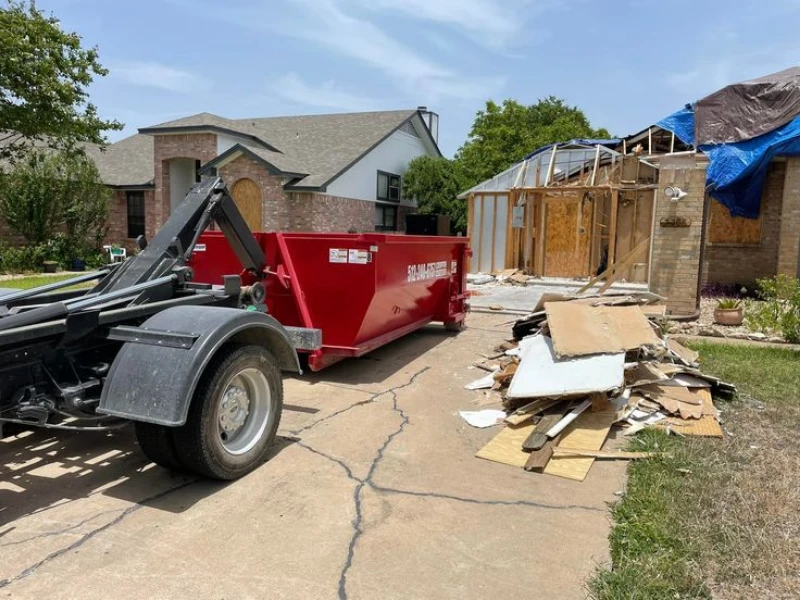
Demolition can produce large amounts of material in a short period. The material may also become heavy quickly.
Before ordering, explain whether the project includes concrete, brick, tile, dirt, or other dense materials.
Roofing
Roofing debris needs special planning. Shingles can become heavy even when there appears to be room left inside the container. Tell the rental provider that the dumpster will be used for roofing materials.
Multi-Phase Construction
Large commercial projects may need more than one container or scheduled swaps. A contractor should consider the construction timeline before delivery. The goal is to keep debris removal aligned with the work schedule.
Commercial Cleanout Dumpster Rental
Commercial cleanouts can happen for many reasons. A business may relocate. A tenant may leave. A property may change ownership. An office may be downsized. Each situation creates a different volume of debris.
Office Cleanouts
Old desks, chairs, carpet, shelving, and unwanted equipment can quickly fill a container. Separate materials that may require special disposal before loading.
Retail Closures
Store closures can create fixtures, displays, shelving, packaging, and other bulky materials. A temporary dumpster can help organize the removal process.
Warehouse Cleanouts
Warehouses may contain pallets, cardboard, shelving, packaging, and damaged materials. The best container depends on both volume and weight.
Property Turnovers
Property managers may need dumpsters between tenants or during renovations. Scheduling is especially important when multiple properties are involved.
What Can Go in a Commercial Dumpster?
Accepted materials depend on the dumpster provider and disposal arrangement.
Common project debris can include:
- Wood
- Drywall
- Flooring
- Cabinets
- Furniture
- Cardboard
- Packaging
- Roofing materials
- General renovation debris
Heavy materials may have special limits. Concrete, brick, dirt, rock, and similar materials can become heavy very quickly. Some materials may require separate handling.
These can include hazardous chemicals, fuels, certain batteries, asbestos, and other restricted waste. Never assume a material is acceptable simply because it fits inside the container. Confirm disposal rules before loading.
Commercial Dumpster Pricing in Plano
Commercial dumpster pricing depends on the project. There is no single price that applies to every business.
The quote can depend on:
- Dumpster size
- Rental period
- Debris type
- Weight allowance
- Delivery location
- Pickup schedule
- Disposal requirements
- Additional pickups
- Extra rental days
- Special material handling
The same size container can cost differently for two projects because the materials and service needs differ. A container filled with light office debris is different from one filled with heavy construction material.
How Commercial Quotes Can Differ
One provider may include a certain rental period. Another may structure pricing around a shorter period.
Some quotes may include a specific weight allowance. Additional weight may create another charge. Pickup frequency can also affect the total cost.
For that reason, comparing the final terms is more useful than comparing the advertised starting price.
Questions to Ask Before Accepting a Quote
Before scheduling commercial dumpster service, ask:
- What dumpster size is included?
- How long is the rental period?
- How much weight is included?
- What happens if the container is overweight?
- Is delivery included?
- Is pickup included?
- What happens if I need an extra pickup?
- Are additional rental days charged?
- Which materials are prohibited?
- Does the quote include disposal?
- Are there special charges for heavy debris?
- What happens if the project takes longer?
A clear answer to these questions can prevent unpleasant surprises later.
For more information about general dumpster pricing, see our Dumpster Rental Prices guide.
Commercial Dumpster Delivery and Placement in Plano
Delivery requires more planning than simply choosing a place beside the building. The truck needs enough room to approach and position the container. The property also needs a suitable surface.
Choosing the Placement Area
A private parking area, driveway, loading area, or service space may work depending on the property. Consider employee traffic and customer access before delivery. A container should not create an unnecessary obstruction.
Parking Lots
Businesses often have more space than residential properties. Even so, the dumpster should be placed where trucks can reach it safely. Keep loading areas clear during delivery and pickup.
Service Alleys
Some commercial properties have rear service access. Check the available width and overhead clearance before scheduling delivery.
Public Right of Way
Placement on a public street or other public area can involve different requirements. Do not assume that private property rules apply to public space. Confirm local requirements before placing a container where it could affect public access.
Access and Clearance Checklist
Before delivery:
- Move vehicles away from the delivery area.
- Keep gates open when needed.
- Check overhead branches.
- Look for low utility lines.
- Keep employees away during delivery.
- Keep the planned pickup path clear.
Good preparation can prevent a failed delivery.
Plano Commercial Waste and Recycling Considerations
Plano businesses operate within a broader local waste and recycling system. The City of Plano provides information for commercial waste, business recycling, construction and demolition recycling, and permitted recycling haulers.
That matters because commercial waste planning is not only about putting debris in a container. Businesses should also consider whether certain materials can be recycled or need another disposal method.
For construction projects, separating suitable materials may also support better waste management. Always verify current local requirements and disposal rules for your specific project.
How Commercial Dumpster Service Works
Step 1: Explain Your Project
Tell the provider what type of business you operate. Then explain what you are removing and how much material you expect.
Step 2: Choose the Container
Use the project details to select a suitable dumpster size. Consider both volume and weight.
Step 3: Schedule Delivery
Choose a delivery date that matches the project schedule. For construction work, delivery timing can be especially important.
Step 4: Prepare the Site
Clear vehicles and equipment from the delivery area. Check gates, overhead clearance, and truck access.
Step 5: Load the Dumpster
Distribute debris evenly. Do not overload the container. Keep prohibited materials out.
Step 6: Request Pickup or Swap Out
Contact the provider when the project is finished, or the container needs replacement. For larger projects, plan the swap before the dumpster becomes a major obstacle.
Step 7: Final Removal
Once the project is complete, the dumpster is removed. The property can then return to normal use.
How to Reduce Commercial Dumpster Costs
Commercial waste expenses can add up when a project runs longer than expected. A few simple planning decisions can help.
Choose Based on Debris
Do not choose a dumpster based only on the physical size of the project. A small renovation can create heavy debris. A large office cleanout may create lighter materials.
Separate Recyclable Materials
When practical, separate recyclable materials from general debris. This can support better waste management and may reduce unnecessary disposal.
Avoid Overloading
An overfilled dumpster can create safety and transportation problems. Keep material within the provider’s loading requirements.
Plan Pickup Timing
Do not wait until the container is completely unusable.
For active jobsites, scheduled pickups can help keep work moving.
Coordinate With Your Contractor
Property owners and contractors should agree on the dumpster location and expected service schedule. A five-minute conversation can prevent delivery problems later.
Consider Recurring Service for Ongoing Waste
If your business creates waste every week, a recurring service may be more practical than repeatedly arranging temporary containers.
Seasonal Dumpster Planning for Plano Businesses
Business cleanup needs can change during the year.
Spring Renovations and Cleanouts
Spring often brings property improvement work and cleanup projects. Businesses may begin renovations, landscaping, or larger property maintenance.
Summer Construction
Construction and commercial remodeling can continue at a faster pace during warmer months. Contractors should plan container capacity around each project stage.
Fall Property Maintenance
Fall can bring cleanup work around commercial properties. Landscaping and property maintenance may create additional debris.
Storm Cleanup
Severe weather can create branches and other debris. Do not assume storm debris is accepted without checking first.
Year-End Office and Retail Cleanouts
Businesses may move offices, update displays, remove old inventory, or prepare properties for the next year. Planning the dumpster before the cleanup begins can make the process smoother.
Commercial Dumpster Safety and Site Management
Commercial dumpsters should be treated as active work areas. Keep employees and customers away during delivery and pickup. Do not allow anyone to climb inside the container.
Avoid placing the dumpster where it blocks emergency access or creates an unnecessary traffic hazard.
Workers should also use appropriate precautions when handling sharp or heavy debris. If a project involves hazardous materials, stop and confirm the correct disposal method.
Safety becomes even more important when a dumpster sits near employees, customers, contractors, or public areas.
Commercial Dumpster Rental vs Junk Removal
These services solve different problems.
| Commercial Dumpster | Junk Removal |
| Business loads the container | Removal crew handles loading |
| Useful during multi-day projects | Useful for quick removal |
| Good for renovations | Good for smaller cleanouts |
| Flexible loading schedule | Labor is part of the service |
| Works well for contractors | Useful when staff cannot load debris |
| Container stays during the project | Items are removed during the scheduled visit |
A dumpster may be the better choice when your team already has labor available. Junk removal may make more sense when you want someone else to handle the physical removal.
Commercial Dumpster Rental for Property Managers
Property managers often manage more than one cleanup at a time. One apartment building may need a unit cleanout. Another property may be undergoing renovation. That creates a scheduling challenge.
A good commercial dumpster plan should account for:
- Property location
- Container size
- Delivery timing
- Pickup timing
- Swap needs
- Access
- Tenant traffic
- Project deadlines
For multiple properties, clear scheduling becomes even more important.
Why Local Plano Logistics Matter
Plano has a mix of residential neighborhoods, retail areas, office properties, commercial developments, and construction sites.
That variety creates different dumpster challenges. A retail center may need to keep customer parking available. An office renovation may need a container near a loading area.
A construction site may need scheduled swaps. A warehouse may have limited service access. The right solution depends on the property.
That is why commercial dumpster planning should begin with the actual site rather than a generic size chart.
Commercial Dumpster Rental Checklist
Before booking, have these details ready:
Project type
Know whether the job involves construction, renovation, cleanout, demolition, roofing, or general business cleanup.
Debris type
List the materials you expect to remove.
Estimated volume
Give the provider your best estimate of how much material the project will produce.
Container size
Choose based on both volume and material weight.
Rental period
Know when the dumpster should arrive and how long you expect to need it.
Weight allowance
Ask how much weight is included.
Placement
Choose a safe location with enough truck access.
Pickup schedule
Decide whether you need one final pickup or scheduled swaps.
Accepted materials
Confirm restrictions before loading.
Total quoted cost
Ask what the quoted price includes.
Conclusion
Commercial dumpster rental in Plano is not simply about ordering the biggest container available.
The right choice starts with the project.
Think about the business type, debris, volume, weight, rental period, placement area, and pickup schedule. Those details help determine which container and service model make sense.
A small office cleanout may need a temporary dumpster. A major construction project may need larger containers and scheduled swaps. A restaurant or retail business with ongoing waste may need recurring service instead. The smartest approach is to explain the entire job before booking.
Tell the provider what you are removing. Explain where the dumpster needs to go. Ask what the quoted price includes. Confirm the weight allowance and material restrictions. That simple preparation can save time, reduce confusion, and help your project stay on schedule.
For Plano businesses, the best dumpster is not necessarily the largest or cheapest option. It is the one that fits the work.considered.
Get in Touch
For emergency Dumpster Rental, call us immediately. We’re available 24 hours a day, every day. For non-emergency inquiries, use the form or contact methods below.
Phone number
Call (945) 325-1415
Address
1100 Capital Ave Plano, TX 75074
Hours of Operation
Open 24 hours a day
7 days a week
commercial Dumpster Rental FAQs
Have more questions
Our team is available 24/7 to answer your questions and help you understand your options after Dumpster Rental. Contact Us or
Ready to Start Your Dumpster Rental?
Get a Free Dumpster Rental Assessment From Our Expert Team
We respond 24/7 to help you find the right dumpster for your needs.