Construction Dumpster Rental in Plano, TX
Most new-construction and addition projects in Plano run on a 30- or 40-yard dumpster — framing scrap, packaging, and general C&D debris add up in volume faster than weight, which is the opposite of a roofing or demolition job. [Company Name] delivers flat-rate, permit-compliant construction dumpsters anywhere in Plano, with the weight allowance disclosed before delivery and swap service built for multi-week job sites.
What Size Dumpster Do You Need for a Construction Project?
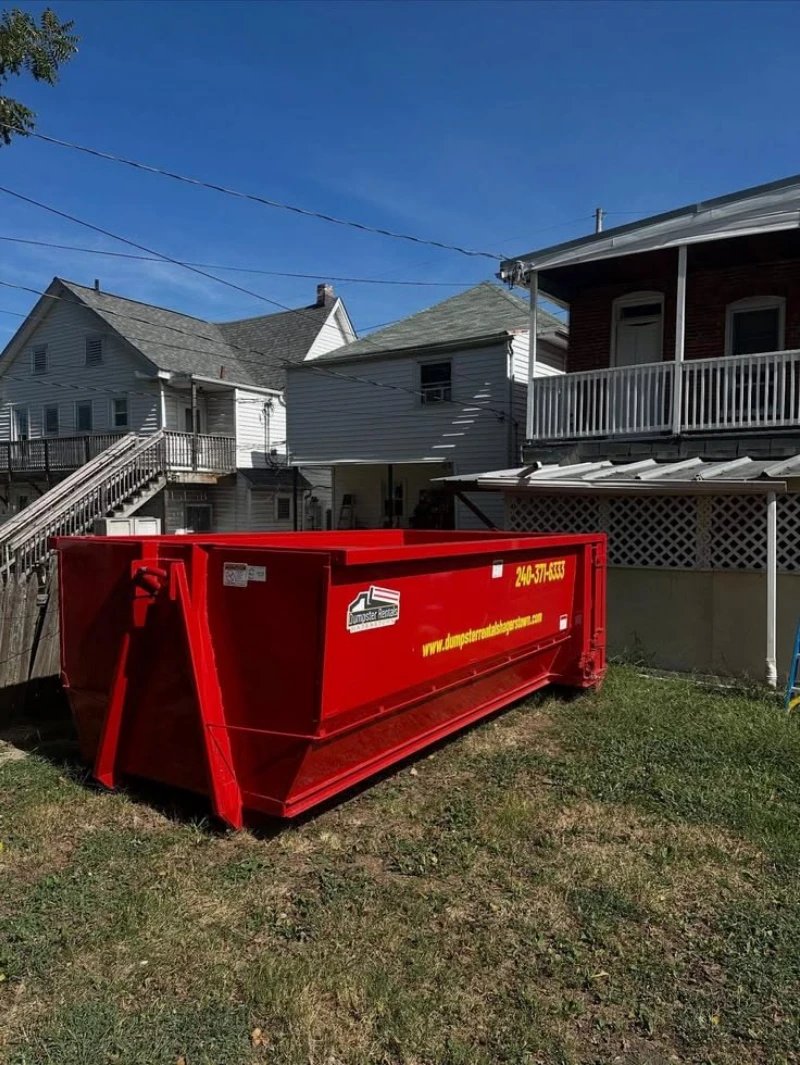
Construction debris is volume-driven, not weight-driven — framing lumber, packaging, and drywall scrap fill a container faster than they max out a weight allowance. That’s the opposite of roofing or concrete work, and it’s why construction jobs typically run a size larger than a comparable renovation.
Tell us your project type, square footage, and expected timeline, and we’ll size the delivery schedule to match — not just the container.
- Framing lumber and scrap wood
- Drywall and plaster
- Packaging from lumber, fixtures, and materials
- Cardboard and plastic wrap at scale
- Insulation
- Windows, doors, and trim offcuts
- Mixed construction and demolition (C&D) debris
- Concrete and masonry scrap in smaller quantities
- Metal scrap and wiring offcuts
- Pallets and shipping materials
Construction debris is volume-driven, not weight-driven — framing lumber, packaging, and drywall scrap fill a container faster than they max out a weight allowance.
That’s the opposite of a roofing or demolition job, and it’s why construction projects typically run a size larger than a comparable renovation.
What doesn’t belong in a standard roll-off: hazardous waste and chemicals, batteries, tires, electronics, liquid paint (let it dry solid first, or ask about drop-off options), and refrigerant-containing appliances without proper handling.
Large-volume concrete, dirt, or brick should be flagged when you book — dense material changes the weight math even in a volume-driven job.
Multi-Phase Projects and Swap Service
New construction and larger additions rarely generate debris in one even stream — framing debris shows up early, then packaging and finish-out debris weeks or months later.
Rather than pay for a second full rental every time, ask about swapping a full container for an empty one as each phase wraps.
Standing Delivery Schedules for Job Sites
For a job site running over multiple weeks, we can set a recurring swap schedule instead of you calling in for each pickup — useful for both general contractors and site supervisors managing more than one active phase.
[Insert your real standard rental period, e.g., “10-14 days included, $X/day after”] — construction timelines shift, so tell us your expected schedule when you book and we’ll build flexibility into the plan.
Construction Demand Across Plano — Where and When
Construction activity isn’t evenly spread across the city — new development, additions, and commercial build-outs cluster differently depending on the area.
Legacy West & Commercial Corridor
Plano’s active commercial development corridor along the Dallas North Tollway and US-75 drives ongoing build-out and tenant improvement demand.
West Plano New Development
Newer and developing sections of communities like Willow Bend and Lakeside on Preston still generate construction volume even before homeowners move in.
Central & North Plano Additions
Established neighborhoods like Deerfield and Russell Creek see steady addition and accessory-structure construction as homes age into bigger-project territory.
East Plano New Builds
Redevelopment and infill construction in older sections of East Plano, including new single-family builds on existing lots.
Single-Family New Construction
The most common construction job type we deliver for — typically a 30-yard with at least one swap over the build.
Commercial Build-Outs
Interior demolition and buildout ahead of a new tenant, common in Plano’s commercial corridor — usually a 30 or 40-yard.
Which Container Size Fits Your Construction Project?
Construction debris fills volume before it maxes out weight, so container size here is driven more by project scope and timeline than by material density.
Tell us your project type, square footage, and expected timeline, and we’ll size the delivery schedule to match — not just the container. Compare all five container sizes and prices →
10 Yard Dumpster
Not typically sized for a construction project — better suited to a small punch-list cleanup or leftover materials once a project wraps. See the 10-Yard Dumpster page →
15 Yard Dumpster
Occasionally right for a very small addition or single-room build-out with limited framing scrap — most construction projects run larger. See the 15-Yard Dumpster page →
20 Yard Dumpster
Best fit for a small addition or single-room build-out — framing and finish scrap from a contained project. See the 20-Yard Dumpster page →
30 Yard Dumpster
Best fit for most new single-family construction and larger additions — our most common construction delivery, often with at least one swap over the build. See the 30-Yard Dumpster page →
40 Yard Dumpster
Best fit for larger commercial construction, multi-unit builds, or any project generating volume that would otherwise need multiple 30-yard swaps. See the 40-Yard Dumpster page →
Not Sure Between Two Sizes?
If your project spans more than one category — a large addition that’s nearly a full new build, for example — the safer call is almost always the larger size and a swap schedule rather than guessing small.
Managing a multi-phase job site? Tell us your total project timeline and expected debris volume per phase, and we’ll set up a delivery and swap schedule instead of you calling in each time.
New Construction vs. Additions — Sizing Differs
A full new build generates debris across every phase of construction; an addition or build-out is usually contained to one section of a property. Tell us which one you’re doing so we size correctly from the start.
When a Single Container Is Enough
Smaller, contained projects with a defined start and end date often need just one container.
- The project is a single addition or contained build-out
- Framing and finish work happen within a few weeks
- You don’t expect a distinct demolition-then-construction split generating two debris waves
- There’s a clear placement spot for the container’s full duration
- Your site doesn’t require staged access changes mid-project
- You’ve sized up rather than picked the smallest option that might fit
- Your contractor has confirmed one container’s worth of volume for the scope
- You don’t anticipate needing a second delivery for a later finish-out phase
If any of that doesn’t sound like your project, a swap schedule is the better fit.
When to Set Up a Swap Schedule
New construction, larger additions, and any project running more than a few weeks typically generate debris in phases — framing first, then finish-out weeks later.
A standing swap schedule avoids paying for a second full rental each time a phase wraps, and gives your site one predictable pickup cadence instead of ad hoc calls.
When You Need More Than One Container
Larger commercial builds, multi-unit projects, or job sites running several trades simultaneously sometimes need more than one active container rather than a single swap cycle. Ask about a multi-container schedule if your site fits this.
If you’re not sure which setup fits your project, tell us the scope and timeline and we’ll recommend a plan rather than a single default size.
Construction Debris We Handle, By Project Type
Different construction projects generate different debris mixes. Here’s what a typical Plano construction dumpster ends up holding, by project type.
New Single-Family Construction
A full new-build generates debris across multiple phases — framing scrap first, then packaging and offcuts through finish-out. Most Plano single-family builds run on a 30-yard with at least one swap over the course of construction.
Additions and Garage/ADU Builds
A contained addition or accessory structure typically fits a 20-yard for a single-phase project, sizing up to a 30-yard if the addition is large or the timeline runs multiple weeks with debris in phases.
Tell us the square footage and expected phases, so we size correctly from the start.
Commercial Build-Outs and Tenant Improvements
Interior demolition ahead of a build-out, common in Plano’s active commercial corridor around Legacy West and the broader US-75/Dallas North Tollway development corridor, typically needs a 30-yard or larger dumpster depending on the space and scope.
Commercial timelines often run tighter than residential — tell us your deadline and we’ll prioritize delivery accordingly.
Larger Commercial and Multi-Unit Construction
Bigger commercial projects and multi-unit builds usually need a 40-yard, often with more than one container running concurrently or in scheduled rotation rather than a single delivery-to-pickup cycle.
Site Work and Grading-Adjacent Debris
Land clearing, grading prep, and early sitework sometimes generate debris ahead of vertical construction — ask us about sizing separately for this phase if it’s part of your project.
What’s In a Typical Construction Load
A construction dumpster’s contents shift by phase, but a few material categories dominate most loads.
Framing Lumber and Scrap Wood
The bulk of most construction loads by volume — lighter than roofing or demolition debris, but it fills a container fast.
Drywall and Packaging
Drywall offcuts and packaging from lumber, fixtures, and materials add up quickly across a build, especially during finish-out.
Cardboard and Plastic Wrap
Bulk packaging waste at scale — light but high-volume, especially on larger commercial build-outs with palletized deliveries.
Concrete, Masonry, and Metal Scrap
Denser material in smaller quantities on most construction jobs — but if your project has a heavy concrete or masonry phase, flag it so we size the weight allowance correctly.
What Can and Can’t Go In Your Construction Dumpster
Most construction debris is straightforward to dispose of in a standard roll-off. A short list of materials needs special handling instead.
Typically accepted:
- Framing lumber and scrap wood
- Drywall and plaster
- Packaging and cardboard
- Insulation
- Windows, doors, and trim offcuts
- Mixed construction and demolition (C&D) debris
- Concrete and masonry scrap in smaller quantities
- Metal scrap and wiring offcuts
- Pallets and shipping materials
Not accepted in a standard roll-off:
Hazardous waste and chemicals, batteries, tires, electronics, liquid paint (let it dry solid first, or ask about drop-off options), and refrigerant-containing appliances without proper handling. Ask before you load anything you’re unsure about.
Construction Dumpster Pricing in Plano
[Company Name]’s flat rate for a construction dumpster includes delivery, pickup, disposal, and a set weight allowance — [insert your real starting price by size]. Public 2026 market data for the Dallas–Collin County area shows roll-off pricing typically running in the roughly $325–$600 range per container, with larger commercial and multi-container jobs priced by total project scope. See our full size and price comparison →
What can change your price:
- Container size and count
- Included weight allowance
- Project timeline and number of swaps needed
- Delivery distance within our Plano service area
- Whether the project needs a street/right-of-way permit
- Same-day or next-day delivery
- Whether concrete or masonry is a major component
- Rental period length
- Single delivery vs. contractor account/recurring schedule
- Multi-container coordination for larger sites
If you go over your included weight allowance, you’ll be billed at a clearly stated per-ton rate, disclosed before you book — not sprung on you after pickup. Overage fees are the most common complaint dumpster renters report nationally, commonly running around $0.15 per pound once you exceed your allowance. Construction debris is usually volume-limited rather than weight-limited, but concrete, brick, or a heavy demolition phase can change that — tell us your material mix up front.
Contractor Account Pricing
If you’re running multiple containers across one job site, or recurring deliveries across several active sites, ask about standing account terms instead of booking each container individually.
Consistent flat-rate pricing, priority scheduling, and one point of contact are part of that arrangement.
Tell us your typical volume and site count, and we’ll put together account terms rather than a one-off quote.
Questions to Ask Before Accepting a Quote
A few questions worth asking any Plano construction dumpster company before you book:
- Is delivery, pickup, and disposal all included in the flat rate?
- What’s the included weight allowance, and what’s the per-ton overage rate?
- Is the overage rate disclosed before delivery, or only after pickup?
- What’s the standard rental period, and what’s the daily rate after that?
- Is swap service available, and what does it cost?
- Does the company handle the street/right-of-way permit, or is that on me?
- Is the hauler permitted under the City of Plano’s hauler program?
- What’s not allowed in the container?
- Is same-day or next-day delivery actually available?
- Can I set up a standing delivery/swap schedule for a multi-week site?
- Is contractor account pricing available for multiple sites?
- Who do I call for an early pickup, a swap, or an additional container?
If a company won’t answer these clearly before you book, that’s worth noting.
[Company Name] discloses all of this up front — size, weight allowance, overage rate, and rental period — before you commit to a delivery date.
Delivery, Placement, and Plano’s Permit Rules
A dumpster placed entirely on private property typically doesn’t require a city permit; placement on the street or public right-of-way requires a temporary right-of-way/street-use permit, and your hauler needs to be a permitted operator under the City of Plano’s hauler permitting program — [Company Name] is permitted and compliant.
Choosing the Placement Area
Active job sites often have more flexibility for placement than a finished residential driveway, but site access, grading, and other trades’ equipment still need to be accounted for.
Active Job Sites
Tell us your site layout when you book so we can confirm placement before the truck arrives — especially if grading, foundation work, or other equipment is active on-site.
HOA and New-Development Considerations
New construction in or adjacent to a master-planned community may still be subject to HOA or developer site rules even before a homeowner moves in — confirm this with your builder or the HOA if you’re working in a developing section of a community like Willow Bend or Lakeside on Preston.
Street or Public Right-of-Way
Street or right-of-way placement requires a temporary city permit. We can walk you through what that involves, or handle it directly depending on your project.
Access and Clearance Checklist
Before delivery, confirm:
- Overhead clearance — tree branches, power lines, structures under construction
- A flat, stable surface for placement
- Enough width for the delivery truck to approach and position the container
- Any gate, grading, or site-access changes that limit truck access
- Whether other trades or equipment will be on-site during delivery
- Any HOA or developer placement rules, if applicable
We’ll confirm placement details with you before the truck is dispatched, not after it arrives.
Coordinating With Other Trades on Site
A construction job site often has multiple trades and equipment active at once. Tell us who else will be on-site during delivery so we can coordinate placement and timing without disrupting other work.
For larger job sites, a single point of contact for scheduling — usually the GC or site supervisor — keeps delivery and swap timing predictable across trades.
This coordination matters more on construction sites than almost any other project type, since the container often needs to move or get swapped around an active schedule.
How Construction Dumpster Service Works
Step 1: Tell Us Your Project Scope
Square footage, project type (new build, addition, build-out), and expected timeline. That’s usually all we need to recommend a size and schedule.
Step 2: Choose Container Size and Count
We’ll recommend a size and, for larger or multi-phase jobs, a delivery/swap schedule rather than a single container.
Step 3: Schedule Delivery
Same-day and next-day delivery are available; for planned builds, we can schedule ahead to match your framing or demo start date.
Step 4: Delivery Day
We deliver, place the container exactly where you’ve confirmed, and coordinate around any other active trades on-site.
Step 5: Load Through Each Phase
Keep debris below the rim and load heavier material first — standard practice regardless of project type.
Step 6: Swap or Request Pickup
Request a swap when a container fills mid-project, or schedule final pickup when the job wraps. Standing swap schedules are available for multi-week sites.
Step 7: Final Removal
We pick up, haul away, and dispose of the debris responsibly. If you went over your weight allowance, you’ll see the clearly disclosed per-ton overage rate on your final invoice — never a surprise fee.
How to Keep a Construction Dumpster on Budget
A few habits keep a multi-phase job site from running into overage costs:
Size for the Full Project, Not Just Phase One
Framing debris alone might look like it fits a 20-yard, but finish-out and packaging debris later in the build add up. Tell us the full project scope up front.
Separate Recyclable Materials
Where possible, keeping clean metal, cardboard, or untreated wood separate can reduce what counts against your weight allowance.
Avoid Overloading
Loads extending above the container rim aren’t safe to haul and aren’t allowed under Texas hauling regulations. Call about a swap or an additional container instead of overloading.
Plan Swap Timing With Your Build Schedule
If your construction timeline is uncertain, tell us that when you book so we can build a flexible swap schedule rather than a fixed one that doesn’t match your actual pace.
Multi-phase builds often need more container turnover than a single rental — plan for it up front rather than mid-project.
Coordinate With Your General Contractor
If a GC is managing your project, loop them into the sizing and scheduling conversation — they usually have the clearest sense of phase timing and debris volume.
Use Account Pricing for Multiple Sites
Contractors managing more than one active site should ask about account terms rather than booking each container individually — it simplifies scheduling and keeps pricing consistent.
Construction Season in Plano
Construction activity runs closer to year-round than storm-driven or seasonal project types, but a few patterns affect scheduling.
Spring
Spring often sees a pickup in both new-build starts and additions, alongside the region’s severe weather season — plan for possible scheduling overlap with storm-response jobs.
Summer
Summer construction moves fast in the heat — early-morning delivery windows help crews start before peak afternoon temperatures.
Fall
Fall sees builders pushing to close out projects before the holidays and winter weather — plan swap schedules accordingly if your timeline is tight.
Winter
Slower season for new starts, but ongoing builds continue — ask about freeze-related delivery notes if your project runs through Plano’s colder weeks.
Commercial Deadlines
Commercial build-outs are often tied to a lease or opening date rather than a season. Tell us your deadline when you book, and we’ll prioritize delivery and swap scheduling accordingly.
Construction Dumpster Safety on Site
A dumpster sitting on an active construction site for weeks needs the same basic safety habits as any other jobsite equipment.
Keep the area around the container clear of tripping hazards, and don’t let debris pile up higher than the rim — overloaded containers aren’t safe to haul.
Coordinate placement with other active trades so the container doesn’t block equipment access or create a hazard as the site changes over the course of the build.
Sharp debris — exposed nails, metal scrap — should go in first and get covered by softer material where practical, to keep the load safer to handle at pickup.
Construction Dumpster vs. Junk Removal
These services solve very different problems on a construction site.
| Construction Dumpster | Junk Removal |
| Your crew loads the container across the project | Removal crew handles loading |
| Built for ongoing, multi-week job site volume | Better suited to one-time cleanup |
| Swap service available for phased projects | Scheduled per visit, not ongoing |
| Flat-rate or account pricing with a disclosed weight allowance | Pricing often based on volume and labor |
| Works well for new construction and build-outs | Not sized for construction-scale debris |
| Container stays on-site for the length of the project | Items are removed during the scheduled visit |
For any project generating debris over more than a day or two, a dumpster is almost always the better and cheaper fit.
Construction Dumpster Accounts for Contractors and Builders
General contractors and builders managing multiple active job sites across Plano face scheduling needs a single-project customer doesn’t — coordinated delivery, staggered pickups, and consistent pricing across sites.
We set up standing accounts for contractors and builders working multiple sites regularly.
- Consistent flat-rate or account pricing across job sites
- Coordinated delivery scheduling for overlapping projects
- Standing swap schedules for multi-week builds
- Weight allowances disclosed up front for accurate job bidding
- Permitted hauler status for any street placement needs
- Priority scheduling for account customers
- Flexible rental periods matched to build timelines
- One point of contact for multiple active job sites
If you’re managing construction across more than one Plano site, tell us your typical volume, and we’ll put together account terms.
Why Local Plano Logistics Matter
A hauler based outside the immediate area can mean longer waits for delivery, swaps, and pickup — all of which matter more on a multi-week construction timeline than a one-time job.
[Company Name] operates locally in Plano, which is part of how we offer same-day and next-day delivery, plus responsive swap scheduling.
Local logistics also mean faster response if your build timeline shifts — an early finish, a delay, or an added phase.
We’re familiar with Plano’s permit process and the development rules in its master-planned communities, which speeds up placement approval compared to an out-of-area hauler learning those rules site by site.
Construction Dumpster Checklist
Confirm your project type — new build, addition, or build-out
Confirm total square footage and expected timeline
Match your scope to a container size using the guide above
Decide if a single container or a swap schedule fits your project
Ask for the flat rate, included weight allowance, and per-ton overage rate up front
Confirm your standard rental period and the daily rate after that
Decide on placement — private property or street
If placing on the street, confirm the hauler is permitted for right-of-way placement
If your site is in or near an HOA community, confirm any developer or HOA rules
Measure your placement area for width, length, and overhead clearance
Confirm same-day or next-day delivery availability for your start date
Review what can and can’t go in the container before work starts
Coordinate placement timing with other active trades on-site
Plan to load heaviest material first, lightest on top
Keep debris below the container rim at all times
Keep the area around the container clear of tripping hazards and equipment paths
Confirm your swap or pickup process and who to call
Ask what happens if you go over your weight allowance
If managing multiple sites, ask about contractor account pricing
Confirm whether extension terms are available if your timeline shifts
Save your contact’s direct number for scheduling during the project
Ready to Book Your Construction Dumpster?
[Company Name] delivers flat-rate, permit-compliant construction dumpsters anywhere in Plano — Legacy West to East Plano, single-family builds to larger commercial projects.
We’ll size the right container, set up a swap schedule if your project needs one, and disclose the weight allowance before delivery so there are no surprises mid-build.
Call or text (945) 325-1415, or get an instant quote online — contractor accounts and multi-container job sites welcome.
Not sure which size fits your project? 20-Yard · 30-Yard · 40-Yard · Compare All Sizes / Dumpster Rental Prices
Serving Plano ZIP codes 75023, 75024, 75025, 75074, 75075, 75093, and 75094, plus Frisco and Allen. See our full Service Areas.
Residential Dumpster Rental and Commercial Dumpster Rental services also available.
Get in Touch
For emergency Dumpster Rental, call us immediately. We’re available 24 hours a day, every day. For non-emergency inquiries, use the form or contact methods below.
Phone number
Call (945) 205-1225
Address
1100 Capital Ave, Plano, TX 75074
Hours of Operation
Open 24 hours a day
7 days a week
Construction Dumpster Rental FAQs
Still Have Questions About Your Construction Project?
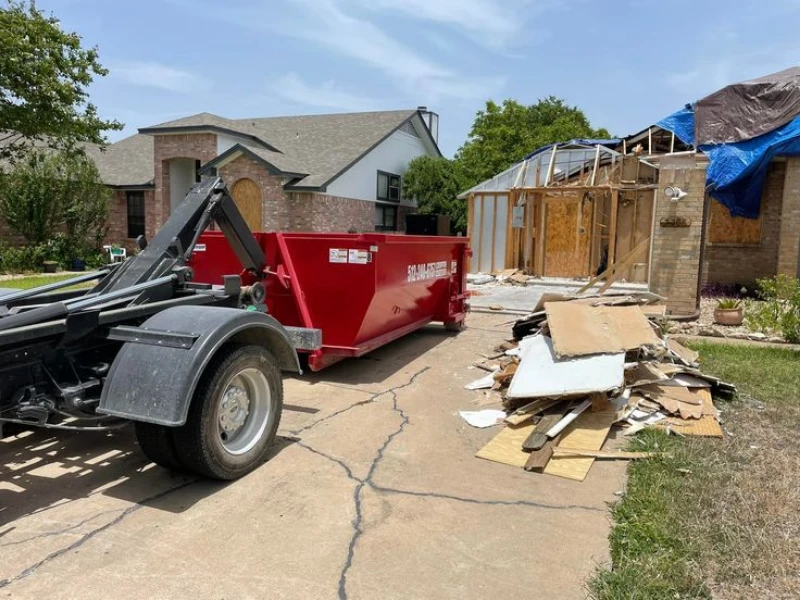
Our team is available to help you size the right container and set up a delivery schedule — call or text (945) 325-1415.
Ready to Start Your Dumpster Rental?
Get a Free Dumpster Rental Assessment From Our Expert Team
We respond 24/7 to help you find the right dumpster for your needs.