Garage, Basement & Attic Cleanout Dumpster Rental in Plano, TX
Most garage, basement, or attic cleanouts in Plano fit a 10 or 15-yard dumpster — clearing all three at once, or a garage packed with years of storage, usually calls for a 20-yard. [Company Name] delivers flat-rate dumpsters anywhere in Plano with no minimum project size, so a single-weekend declutter gets the same fast, straightforward service as a full multi-room purge.
What Fits in a Garage, Basement, or Attic Cleanout Dumpster?
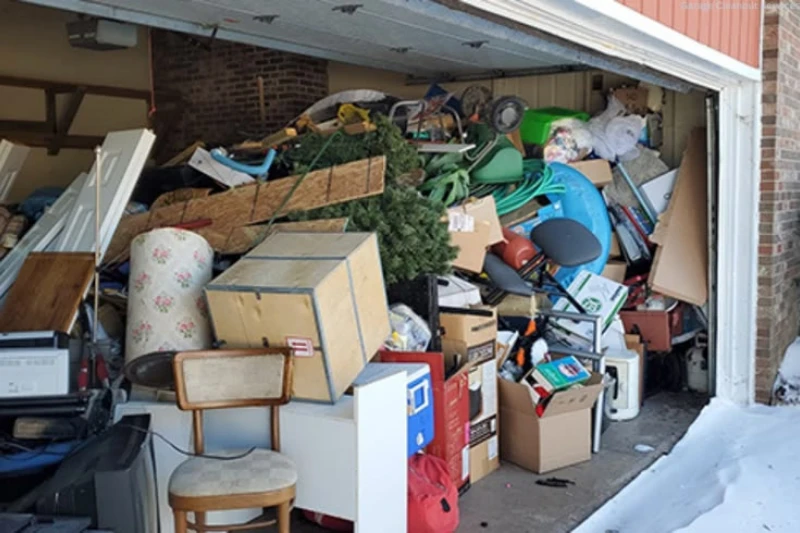
Garage, basement, and attic cleanouts generate a different mix of debris than a renovation or construction project — mostly stored belongings, furniture, and general household clutter rather than building materials.
Not sure what you’re clearing yet? That’s normal — a lot of cleanouts start before anyone has done a full sort. Call and describe the space in general terms and we’ll recommend a starting size, with the option to size up if needed.
- Furniture and mattresses
- Boxes and general household clutter
- Storage bins and shelving
- Old appliances (with proper handling for refrigerant units)
- Sports equipment and outdoor gear
- Holiday decorations and seasonal items
- Broken or unusable furniture
- Cardboard and packaging materials
- Old carpet and flooring remnants
- Non-hazardous tools and hardware
Garage, basement, and attic cleanouts generate a wide mix of debris — years of stored belongings, furniture, and general clutter, often from more than one space being cleared at once.
That mix makes these cleanouts harder to size by square footage alone — how full a space is matters more than how big it is.
What doesn’t belong in a standard roll-off: hazardous waste and chemicals, batteries, tires, electronics that require e-waste handling, liquid paint, propane tanks and other pressurized containers, and refrigerant-containing appliances without proper handling.
Garages in particular often turn up propane tanks, old gas cans, motor oil, or car batteries — ask before you load anything you’re unsure about, and we’ll tell you whether it needs separate handling.
Sort Before Anything Goes In the Dumpster
If there are items of value, sentimental worth, or things that could be donated, it’s worth sorting those out first. A dumpster is for what’s left after that pass — not a substitute for it.
We’re glad to talk through timing if you want to coordinate a donation drop-off before your dumpster arrives.
Multiple Passes Are Normal
It’s common to fill a container, realize there’s more than expected, and need it swapped or a second one delivered. That’s a routine part of multi-space cleanouts, not an exception.
[Insert your real standard rental period, e.g., “10-14 days included, $X/day after”] — ask us about a swap if you fill the container and still have more to clear.
Garage, Basement & Attic Cleanouts Across Plano
These cleanouts happen citywide, but the space and typical volume shift depending on the home’s age and neighborhood.
West Plano Cleanouts
Master-planned communities like Willow Bend and Lakeside on Preston often require HOA coordination — we confirm placement and screening rules directly for garage, basement, or attic projects.
Central & North Plano Cleanouts
Established neighborhoods like Deerfield and Russell Creek see steady garage and attic cleanouts as homes hit their renovation and storage-purge cycle.
East Plano Cleanouts
Older, established sections of East Plano often involve attics and basements with decades of accumulated storage — usually a 10 or 15-yard job.
Legacy West & Nearby Communities
Smaller homes and townhomes near communities like Legacy West typically need our smallest cleanout sizes — a 10-yard usually covers a single space.
Single-Space Cleanouts
The most common cleanout we handle — just the garage, just the basement, or just the attic, typically a 10-yard.
Multi-Space Cleanouts
Clearing two or three spaces together — garage, basement, and attic in one weekend — usually calls for a 15 or 20-yard.
Which Container Size Fits Your Cleanout?
Garage, basement, and attic cleanouts are volume-driven, not weight-driven, so container size hinges on how much you’re clearing and how many spaces you’re tackling — not square footage alone.
Tell us which spaces you’re clearing and roughly how full they are, and we’ll size it for you rather than making you guess.
10 Yard Dumpster
Our most common size for a single-space cleanout — one garage, one basement, or one attic with moderate volume.
15 Yard Dumpster
Best fit for a heavily packed single space, or two smaller spaces cleared together.
20 Yard Dumpster
Best fit for all three spaces at once, or a garage that doubles as a workshop or storage unit.
30 Yard Dumpster
Not typically needed for this project type on its own — usually reserved for larger renovation or construction debris. Ask if your cleanout is combined with a bigger remodel.
40 Yard Dumpster
Rarely needed for a garage, basement, or attic cleanout alone — see our 40-Yard page if your project also involves a larger renovation or new construction.
Not Sure Between Two Sizes?
If you’re combining spaces, or a single space turns out fuller than expected, it’s worth sizing up. A dumpster that’s slightly too big costs less than a second delivery.
Not sure what you’re working with yet? Call and describe the space in general terms, and we’ll recommend a starting size with the option to size up.
Single-Space vs. Multi-Space Cleanouts — Sizing Differs
Clearing just the garage generates a different volume than clearing the garage, basement, and attic together in the same weekend.
When a Single Container Is Enough
A single-space cleanout with a clear scope often needs just one container if:
- You’re clearing one space only — garage, basement, or attic
- The space hasn’t been used for major storage beyond typical household overflow
- You don’t expect to add items gradually over several weeks
- There’s a clear placement spot for the container’s full duration
- You’ve sized up rather than picked the smallest option that might fit
- You’re not combining the project with a larger renovation
- A family member has confirmed roughly how full the space is
- You don’t anticipate needing a second delivery for a later pass
If any of that doesn’t sound like your project, sizing up or planning for a swap is the better fit.
When to Plan for a Swap
Clearing all three spaces, or a garage that’s been used as a storage unit for years, often fills a container faster than expected and needs it swapped for an empty one.
Swapping avoids paying for a second full rental each time you need more room — just call or text when you’re ready.
When You Need a Larger Container From the Start
If you already know you’re tackling the garage, basement, and attic together, or a single space is unusually packed, starting with a 20-yard is often more efficient than swapping a smaller one.
If you’re not sure which setup fits, tell us the scope and we’ll recommend a plan rather than making you guess.
Garage Cleanouts: What’s Different
Garages hold the widest mix of items of any space in the house — tools, sports equipment, holiday decorations, old furniture, and, often, things that shouldn’t go in a standard dumpster at all.
What a Garage Cleanout Dumpster Typically Handles
Furniture, shelving, storage bins, sports equipment, outdoor gear, non-hazardous tools and hardware, cardboard, packaging, and general clutter make up most garage loads.
The Garage-Specific Mistake to Avoid
Garages are the most common place people accidentally try to load something that isn’t allowed. Propane tanks, motor oil and other automotive fluids, old gas cans, car batteries, and tires are all common garage finds — and all of them need separate handling, not a spot in your dumpster.
Measure your garage door and driveway path before delivery. Large stored items — a workbench, an old appliance, a boat trailer — sometimes need to come apart before they’ll clear a standard garage door.
Basement Cleanouts: What’s Different
Basements bring two challenges garages and attics generally don’t: limited access and moisture.
Stairs and narrow doorways slow down loading in a way a garage’s wide, ground-level opening doesn’t. Plan for more trips per item, and use a bulkhead or exterior entrance instead of interior stairs if you have one.
Moisture and Mold
Older or previously flooded basements sometimes turn up water-damaged boxes, mildewed furniture, or visible mold on drywall and framing. General water-damaged household items and moldy furniture can go in a standard roll-off.
The One Thing to Flag: Suspected Asbestos
Anything you suspect contains asbestos — common in older insulation, floor tile, or pipe wrapping in older homes — needs specialized handling, not a standard dumpster. Flag it before you start pulling material out.
What a Basement Cleanout Dumpster Typically Handles
Furniture, mattresses, boxes, storage bins, general household items, water-damaged or mildewed items (non-asbestos), old carpet, and flooring remnants make up most basement loads.
Attic Cleanouts: What’s Different
Attics are the space most cleanout guides skip over — and the one where a little planning matters most.
Heat Is the Real Hazard
Plano attics regularly get far hotter than the rest of the house, especially during summer months when outdoor highs run in the mid-90s. Work early in the morning, take breaks, and treat attic sorting like any other hot-weather task.
Access and Floor Safety
Most attics are reached by a pull-down ladder or narrow stairway, which limits how large an item can come down in one piece. Only step on ceiling joists or a floored section — insulation hides the joists beneath it, and stepping between them can go straight through the ceiling below.
Insulation and What an Attic Dumpster Typically Handles
If your cleanout disturbs old insulation, batts and loose-fill debris can generally go in the dumpster along with boxes, old furniture, holiday decorations, and packaging — just mention it when you book since insulation adds volume fast.
What Can and Can’t Go In Your Cleanout Dumpster
Most items cleared from a garage, basement, or attic are straightforward to dispose of in a standard roll-off.
Typically accepted:
- Furniture and mattresses
- Boxes and general household clutter
- Sports equipment and outdoor gear
- Holiday decorations and seasonal items
- Old carpet and flooring remnants
- Broken or unusable furniture
- Cardboard and packaging materials
- Non-hazardous tools and hardware
- Water-damaged or mildewed items (non-asbestos)
Not accepted in a standard roll-off:
Hazardous waste and chemicals, batteries, tires, electronics that require e-waste handling, liquid paint (let it dry solid first, or ask about drop-off options), propane tanks and other pressurized containers, and refrigerant-containing appliances without proper handling. Garages are where these show up most often — ask before you load anything you’re unsure about.
Garage, Basement & Attic Cleanout Pricing in Plano
[Company Name]’s flat rate for a garage, basement, or attic cleanout dumpster includes delivery, pickup, disposal, and a set weight allowance — [insert your real starting price by size]. Public 2026 market data for the Dallas–Collin County area shows roll-off pricing typically running in the roughly $325–$600 range depending on size and weight.
What can change your price:
- Container size and count
- Included weight allowance
- Whether you’re clearing one space or all three
- Delivery distance within our Plano service area
- Whether the property needs a street/right-of-way permit
- Same-day or next-day delivery
- Whether the cleanout includes unusually dense material (old tile, books, insulation)
- Rental period length
- HOA screening or placement requirements
- Whether a swap or second container is needed
If you go over your included weight allowance, you’ll be billed at a clearly stated per-ton rate, disclosed before you book — not sprung on you after pickup. These projects are usually volume-driven rather than weight-driven, but old books, tile, or a packed attic full of insulation can change that — tell us your material mix up front.
How Long You’ll Need It
A single-space cleanout — just the garage, just the basement, or just the attic — often wraps in a weekend.
Combining two or three spaces, or working around a busy schedule, usually takes longer. [Insert your real standard rental period, e.g., “10-14 days included, $X/day after”] gives you room for a longer project if you need it.
If your project is likely to stretch past a weekend, tell us when you book so we can set expectations up front rather than surprise you with a daily rate partway through.
Questions to Ask Before Accepting a Quote
A few questions worth asking any Plano cleanout dumpster company before you book:
- Is delivery, pickup, and disposal all included in the flat rate?
- What’s the included weight allowance, and what’s the per-ton overage rate?
- Is the overage rate disclosed before delivery, or only after pickup?
- What’s the standard rental period, and what’s the daily rate after that?
- Is swap service available, and what does it cost?
- Does the company handle the street/right-of-way permit, or is that on me?
- Is the hauler permitted under the City of Plano’s hauler program?
- What’s not allowed in the container?
- Is same-day or next-day delivery actually available?
- Can I book a dumpster for just a weekend?
- Will the company confirm HOA placement rules if I’m in a managed community?
- Who do I call for an early pickup, a swap, or an additional container?
If a company won’t answer these clearly before you book, that’s worth noting.
[Company Name] discloses all of this up front — size, weight allowance, overage rate, and rental length — before you commit to anything.
Delivery, Placement, and Plano’s Permit Rules
A dumpster placed entirely on your private driveway typically doesn’t require a city permit; placement on the street or public right-of-way requires a temporary right-of-way/street-use permit, and your hauler needs to be a permitted operator under the City of Plano’s hauler permitting program — [Company Name] is permitted and compliant.
Choosing the Placement Area
A driveway is usually the simplest placement for a garage, basement, or attic cleanout. Tell us your layout when you book so we can confirm placement before the truck arrives.
Protecting Your Driveway
Ask us to lay protective boards under the wheels, especially useful on decorative or newer driveway surfaces and during Plano’s wetter months (roughly April through October), when softer ground makes driveways more prone to marking.
HOA and Master-Planned Communities
Master-planned neighborhoods common in West and Central Plano — Willow Bend, Lakeside on Preston, Deerfield — often require a screening cover and enforce a placement window, commonly 48 hours. A weekend-length garage or basement project usually finishes well within that window, but we’ll confirm your specific HOA’s rules before delivery.
Street or Public Right-of-Way
Street or right-of-way placement requires a temporary city permit. We can walk you through what’s needed if driveway placement isn’t an option.
Access and Clearance Checklist
Before delivery, confirm:
- Overhead clearance — tree branches, power lines, low structures
- A flat, stable surface for placement
- Enough width for the delivery truck to approach and position the container
- A clear path from the garage, basement, or attic access point to the driveway
- Whether other family members will be present during delivery
- Any HOA placement rules, if applicable
We’ll confirm placement details with you before the truck is dispatched, not after it arrives.
A Few Practical Tips Before You Start
Sort before you load. A dumpster is for what’s left after you’ve pulled out anything of value, sentimental worth, or donation potential — not a substitute for that first pass.
Work top-down in a multi-space cleanout. If you’re doing the attic and the garage together, clear the attic first — it’s easier to carry boxes down into a garage that still has room than to navigate a packed garage on your way to the ladder.
Load heavier items first, lighter items on top, and keep everything below the rim. Recruit help for stairs and ladders — an extra set of hands makes a real difference in both speed and safety.
How Cleanout Dumpster Service Works
Step 1: Tell Us About Your Cleanout
Which spaces you’re clearing — garage, basement, attic, or all three — and roughly how full they are. That’s enough for us to recommend a starting size.
Step 2: Choose Container Size
We’ll recommend a size, with the option to size up if you’re not sure how much needs to come out.
Step 3: Schedule Delivery
Same-day and next-day delivery are available; we can also schedule around a weekend or a specific window that works for your household.
Step 4: Delivery Day
We deliver and place the container exactly where you’ve confirmed, with protective boards under the wheels if you’ve asked for them.
Step 5: Sort, Then Load
Set aside anything of value, sentimental worth, or donation potential first. Load what’s left, heaviest items first, keeping debris below the rim.
Step 6: Swap or Request Pickup
Request a swap when a container fills and there’s more to clear, or schedule final pickup when the cleanout wraps.
Step 7: Final Removal
We pick up, haul away, and dispose of the debris responsibly. If you went over your weight allowance, that’s disclosed clearly, not sprung on you after pickup.
Keeping a Cleanout on Budget
A few habits keep a garage, basement, or attic cleanout from running into unexpected costs:
Sort Before You Load
Setting aside items of value, sentimental worth, or donation potential before anything goes in the dumpster avoids paying to dispose of things you’d rather have kept.
Flag Heavy or Unusual Items Up Front
Old books, tile, or a packed attic full of insulation can affect your weight allowance — mention them when you book so we can size accordingly.
Avoid Overloading
Loads extending above the container rim aren’t safe to haul and aren’t allowed under Texas transport regulations — size up rather than overload.
Plan for Multiple Spaces Up Front
If you already know you’re clearing more than one space, tell us that when you book rather than starting with the smallest size and needing a swap.
Multiple passes through a space are normal — plan for a possible swap rather than assuming everything will fit the first time.
Coordinate With Family Members
If more than one person is involved in deciding what stays and what goes, loop them into the sorting conversation early — it avoids conflicting decisions once the dumpster arrives.
Ask About a Swap Before You Need One
If you already suspect a space will take more than one container, ask about swap pricing up front rather than after the first one fills.
When These Cleanouts Happen in Plano
Garage, basement, and attic cleanouts happen year-round, but a few patterns show up consistently.
Spring
Spring often brings a wave of garage and attic cleanouts as households prepare for storm season and reclaim storage space.
Summer
Summer attic work needs early-morning timing because of the heat — garage and basement cleanouts are less affected and can happen any time of day.
Fall
Fall sees basement and garage cleanouts pick up as households prepare for the holidays and cooler weather projects.
Winter
A popular season for indoor cleanouts — basements and garages are more comfortable to work in than attics during the coldest stretches, and holiday decorations coming down often kick off a broader cleanout.
No Fixed Timeline? That’s Fine Too
Plenty of garage, basement, and attic cleanouts don’t have a hard deadline attached. Tell us that up front and we’ll build a flexible plan instead of assuming urgency that isn’t there.
Cleanout Dumpster Safety
A dumpster sitting on your driveway during a multi-day cleanout needs the same basic safety habits as any other project.
Keep the area around the container clear of tripping hazards, and don’t let debris pile up higher than the rim — overloaded containers aren’t safe to haul.
If multiple family members are helping sort and load, agree on a rough plan for who’s handling what so nothing gets loaded twice or overlooked.
Sharp or broken items — glass, broken furniture hardware, exposed nails — should go in first and get covered by softer material where practical, to keep the load safer to handle later.
Cleanout Dumpster vs. Junk Removal
These services solve different problems when clearing a garage, basement, or attic.
| Cleanout Dumpster | Junk Removal |
| You load the container at your own pace | Removal crew handles loading |
| Built for multi-day sorting across one or more spaces | Better suited to a quick, single-pickup job |
| Swap service available if you fill it and have more to clear | Scheduled per visit, not ongoing |
| Flat-rate pricing with a disclosed weight allowance | Pricing often based on volume and labor |
| Works well for garage, basement, and attic cleanouts done together | Not always sized for multi-space cleanouts |
| Container stays on-site for the length of your project | Items are removed during the scheduled visit |
For a multi-space cleanout with more than a day or two of sorting and loading, a dumpster is almost always the better and cheaper fit.
Downsizing or Preparing to Move?
Garage, basement, and attic cleanouts are some of the most common projects tied to downsizing, preparing a home for sale, or a big pre-move purge.
We work the same way for these projects as any other cleanout — flat-rate pricing, flexible scheduling, and no minimum project size.
- Flexible scheduling around a listing date or moving timeline
- No minimum project size — a single garage counts
- Same-day and next-day delivery in most cases
- Weight allowances disclosed up front for accurate budgeting
- Permitted hauler status for any street placement needs
- Swap service if you uncover more than expected
- Flexible rental periods matched to your timeline
- One point of contact for the full length of the project
If you’re preparing a home for sale or a move, tell us your timeline and we’ll build a plan around it.
Why Local Plano Logistics Matter
A hauler based outside the immediate area can mean longer waits for delivery, swaps, and pickup — all of which matter more on a tight weekend project.
[Company Name] operates locally in Plano, which is part of how we offer same-day and next-day delivery, plus responsive swap scheduling if your cleanout runs longer than expected.
Local logistics also mean faster response if your plans shift — a weekend that gets busier than expected, or a project that turns out bigger than planned.
We’re familiar with Plano’s permit process and the placement rules in its master-planned communities, which speeds up delivery no matter which neighborhood you’re in.
Garage, Basement & Attic Cleanout Checklist
Decide which spaces you’re clearing — garage, basement, attic, or all three
Estimate roughly how full each space is
Match your scope to a container size using the guide above
Decide if a single container or a swap fits your project
Ask for the flat rate, included weight allowance, and per-ton overage rate up front
Confirm the standard rental period and the daily rate after that
Decide on placement — driveway or street
If placing on the street, confirm the hauler is permitted for right-of-way placement
If your home is in an HOA community, confirm any screening or placement rules
Measure your placement area for width, length, and overhead clearance
Measure your garage door if large items need to pass through it
Review what can and can’t go in the container before sorting starts
Set aside items of value, sentimental worth, or donation potential first
Plan to load heaviest items first, lightest on top
Keep debris below the container rim at all times
Keep the area around the container clear of tripping hazards
Confirm the swap or pickup process and who to call
Ask what happens if you go over your weight allowance
If working in the attic, plan for early-morning timing during summer
If working in the basement, flag any suspected asbestos before loading
Save your contact’s direct number for scheduling during the project
Ready to Book Your Garage, Basement, or Attic Cleanout Dumpster?
[Company Name] delivers flat-rate dumpsters anywhere in Plano — Willow Bend to Old Downtown, Legacy West to East Plano — sized right whether you’re clearing one room or all three.
We’ll size the right container, disclose the weight allowance before delivery, and build in flexibility if your project runs past a weekend.
Call or text (945) 325-1415, or get an instant quote online — no minimum project size, and no surprise fees after pickup.
Not sure which size fits your project? 10-Yard · 15-Yard · 20-Yard · Compare All Sizes / Dumpster Rental Prices
Serving Plano ZIP codes 75023, 75024, 75025, 75074, 75075, 75093, and 75094, plus Frisco and Allen. See our full Service Areas.
Residential Dumpster Rental and Commercial Dumpster Rental services also available. See our Plano Dumpster Rental FAQs.
Get in Touch
For emergency Dumpster Rental, call us immediately. We’re available 24 hours a day, every day. For non-emergency inquiries, use the form or contact methods below.
Phone number
Call (945) 205-1225
Address
1100 Capital Ave, Plano, TX 75074
Hours of Operation
Open 24 hours a day
7 days a week
Garage, Basement & Attic Cleanout FAQs
Still Have Questions About Your Cleanout?
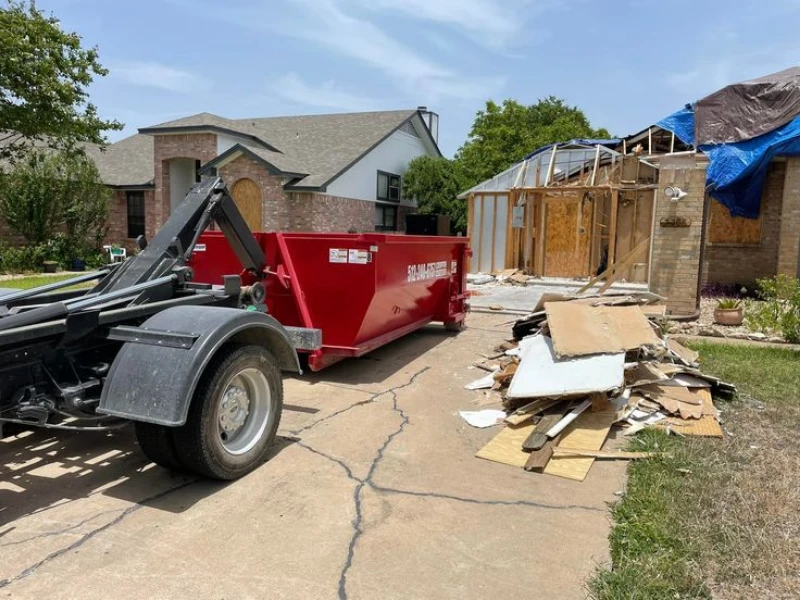
Our team is available to help you size the right container and schedule delivery around your project — call or text (945) 325-1415.
Ready to Start Your Dumpster Rental?
Get a Free Dumpster Rental Assessment From Our Expert Team
We respond 24/7 to help you find the right dumpster for your needs.