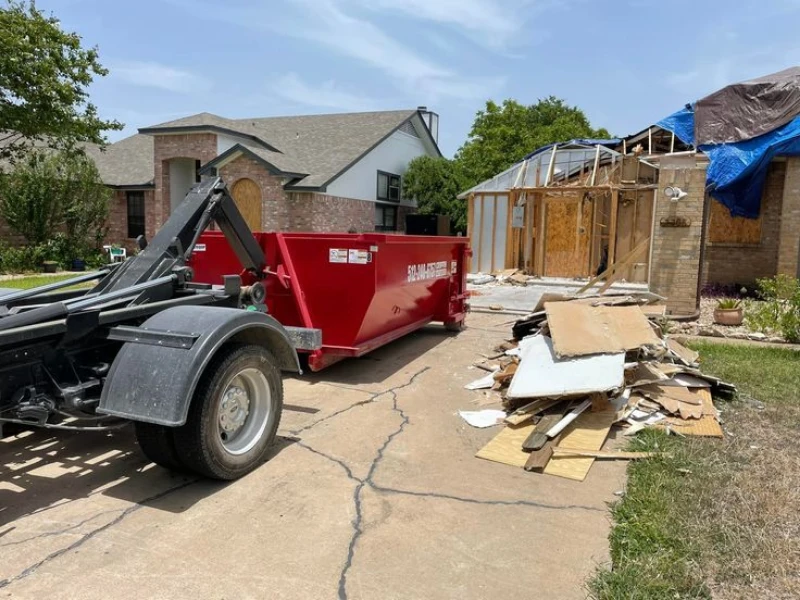
Construction projects create debris at almost every stage. A kitchen renovation produces cabinets, drywall, flooring, and packaging. A roofing project creates shingles, underlayment, and other heavy materials. A demolition job can generate concrete, brick, wood, metal, and mixed debris.
Choosing the right construction dumpster helps you manage that waste without disrupting your project. However, the biggest container is not always the best choice. The lowest advertised price may not produce the lowest final bill. A dumpster that fits your debris may still be unsuitable for your site.
This construction dumpster guide explains how to choose a size, compare rental costs, check material restrictions, prepare your property, and schedule delivery and pickup. It also covers practical details that many basic rental guides overlook.
If you are planning construction or renovation work in Plano, Texas, use these steps to prepare before requesting a quote. Always confirm current prices, accepted materials, weight allowances, and local placement rules with your chosen provider.
What Is a Construction Dumpster?
A construction dumpster is a large waste container designed for debris from building, renovation, demolition, roofing, and related projects. Many providers use roll-off dumpsters that a truck delivers and collects.
Contractors use these containers to manage waste from active jobsites. Homeowners also rent them for remodeling, flooring replacement, garage conversions, and major cleanouts.
A construction dumpster can help you:
- Keep debris in one designated collection area.
- Reduce repeated trips to disposal facilities.
- Maintain a more organized worksite.
- Coordinate waste removal with project milestones.
- Separate selected materials for recycling when suitable facilities accept them.
However, a dumpster does not automatically accept every type of waste. Each provider sets rules for material acceptance, container loading, rental duration, and weight.
Before booking, identify the materials you expect to discard. Then confirm that the provider accepts them in the same container.
How to Choose the Right Construction Dumpster Size
Dumpster sizes usually refer to capacity in cubic yards. One cubic yard represents a volume of 3 feet long, 3 feet wide, and 3 feet high.
Common roll-off sizes include 10, 15, 20, 30, and 40 cubic yards. Actual dimensions and weight allowances vary by provider.
| Dumpster size | Potential applications | Important consideration |
| 10-yard | Small demolition jobs, compact renovations, approved heavy debris | Heavy materials can reach the weight limit quickly |
| 15-yard | Smaller remodeling projects and moderate debris loads | Confirm availability and actual dimensions |
| 20-yard | Many renovation projects, roofing jobs, and mixed construction debris | Estimate both volume and weight |
| 30-yard | Larger renovations, substantial demolition, and bulky debris | Check access and safe loading requirements |
| 40-yard | Large projects with high volumes of relatively light debris | Bulky does not mean unlimited weight capacity |
These examples are starting points, not guarantees. The right size depends on the material, project scope, container dimensions, and provider restrictions.
A practical method for estimating dumpster size
Start by listing the materials your project will generate. Estimate how much space each material will occupy after removal.
Next, consider how the debris will be broken down. Intact cabinets, long boards, and bulky fixtures occupy more space than compacted or neatly stacked materials.
Then consider density. Concrete, brick, tile, soil, and roofing shingles can become heavy quickly. A container may reach its weight allowance while plenty of empty space remains.
Finally, compare your estimate with the provider’s capacity and weight rules. Ask whether a different container or a separate collection stream would better suit your project.
Important: Do not choose a dumpster by cubic-yard capacity alone. Weight limits can matter just as much as volume.
How Much Does a Construction Dumpster Cost?
Construction dumpster rental prices vary by location, container size, rental period, debris type, disposal requirements, and provider.
A quote may include delivery, collection, a specified rental period, and an included weight allowance. Another quote may use different terms. Compare the full rental terms before choosing a provider.
Avoid relying on a national average as a guaranteed price for Plano. National figures can provide general context, but your actual quote depends on local conditions and your project requirements.
What affects your rental price?
Dumpster size: Larger containers often cost more because they require different equipment and handling. However, choosing a smaller container that cannot handle your project may create extra trips or rentals.
Rental duration: Some providers include a set number of days. Additional days may incur charges. Confirm when the rental period starts and ends.
Included weight: Many rental agreements specify an included tonnage allowance. If your debris exceeds that allowance, the provider may charge an overage fee.
Debris type: Concrete, dirt, shingles, and other dense materials can require different handling or disposal arrangements. Some providers restrict these materials or require separate containers.
Delivery and pickup: Location, access, scheduling, and service conditions can affect the quote.
Permits and placement: A container placed on a public street may require approval under local rules. Any related permit costs should be verified with the appropriate authority.
Other charges: Ask about prohibited materials, overfilled containers, extra rental days, contamination, and failed pickup attempts.
Compare the total quote, not just the base price
Imagine two hypothetical quotes for the same project.
Provider A advertises a lower base rate but includes less weight and fewer rental days. Provider B quotes a higher initial amount but includes more weight and a longer rental period.
Neither quote is automatically better. The final cost depends on your actual debris, rental duration, and any applicable additional charges.
Use this checklist when comparing providers:
- What is the total quoted price?
- How many rental days are included?
- What weight allowance comes with the container?
- What is the overage rate?
- What does an additional rental day cost?
- Are delivery and pickup included?
- Which materials are prohibited or require approval?
- Are permits, special handling, or other charges applicable?
- How are pickup delays or service changes handled?
Request written terms when possible. A clear quote helps you budget and reduces confusion when the container is collected.
Why Weight Limits Matter More Than Many Renters Expect
One of the most common planning mistakes is treating container volume as the only limit.
A dumpster has physical capacity, but the provider also needs to transport and dispose of its contents safely. Dense materials can reach an allowable weight before filling the container.
Consider a hypothetical bathroom renovation. The project produces broken tile, mortar, fixtures, and small amounts of packaging. The container may look only partly full, yet the dense debris could create a weight problem.
Now compare that with a project that produces mostly empty cardboard, light packaging, and bulky wood offcuts. That debris may fill more space without reaching the same weight.
This is why the same dumpster size can perform very differently across projects.
Heavy materials that need special planning
Concrete, brick, masonry, dirt, soil, stone, and roofing shingles deserve particular attention. Their acceptance rules and weight restrictions vary by provider.
Before loading these materials, ask:
- Does the provider accept this material?
- Is there a separate weight allowance?
- Does the provider require a dedicated container?
- Are mixed loads permitted?
- What happens if the load exceeds its allowance?
Never assume that a large container can safely hold an unlimited quantity of heavy debris.
If your project involves substantial concrete or soil removal, explain the expected material and quantity before booking. The provider can then advise whether a specialized arrangement is necessary.
What Can You Put in a Construction Dumpster?
Accepted materials depend on the provider, disposal facility, local requirements, and rental agreement.
Common construction debris may include untreated wood, drywall, flooring, cabinets, metal scraps, packaging, and general renovation debris. However, acceptance is not universal.
Use this table as a starting point, then verify the rules for your specific rental.
| Material | What to check before loading |
| Wood and lumber | Ask about treated, painted, or otherwise restricted wood |
| Drywall | Confirm whether mixed loads are accepted |
| Cabinets and fixtures | Check material restrictions and bulky-item rules |
| Flooring and tile | Confirm acceptance and weight limitations |
| Roofing shingles | Ask about material-specific weight rules |
| Concrete and brick | Check whether a separate heavy-debris container is required |
| Dirt and soil | Confirm whether soil is accepted and whether mixing is allowed |
| Metal | Ask whether separate collection could be suitable |
| Appliances | Confirm acceptance before loading |
| Paints and chemicals | Ask about specialized disposal requirements |
| Batteries and electronics | Confirm the correct collection route |
| Asbestos-containing materials | Do not place them in a standard dumpster without explicit legal and provider guidance |
Hazardous or regulated materials require particular care. Paints, solvents, chemicals, fuels, certain batteries, and asbestos-containing debris may require specialized handling. Lead-containing materials can also create health and disposal concerns.
Do not rely on a generic online list to decide whether a regulated material is safe to discard. Contact the relevant waste authority or qualified specialist when needed.
Why mixed debris can complicate disposal
Mixing materials can affect recycling options and disposal requirements. Clean concrete may have different recovery options from a container filled with concrete, plastic, drywall, wood, and household waste.
The best approach depends on local recycling facilities, provider policies, project volume, and collection costs.
Ask whether separating materials makes practical or financial sense before ordering multiple containers.
Where Should You Place a Construction Dumpster?
Placement affects delivery, loading, site access, and collection. A container that fits your driveway may still create problems if the delivery truck cannot reach the drop-off point.
Before scheduling delivery, review the site with the provider.
Check truck access and overhead clearance
Look for narrow entrances, parked vehicles, gates, low branches, utility lines, and other obstacles. The delivery truck needs sufficient room to approach and place the container.
Ask the provider about the required approach and clearance for its equipment. Do not rely on a generic measurement that may not match the truck or container being used.
Consider the surface
A loaded dumpster can place substantial pressure on the ground beneath it. Driveways, pavers, asphalt, and other surfaces may need protection or additional assessment.
Tell the provider about soft ground, uneven areas, slopes, and recently installed surfaces. Ask what placement precautions are appropriate.
Confirm whether a permit is required
Private property and public streets can have different requirements. Placing a dumpster on a public right-of-way may require authorization.
If your project is in Plano, verify the current rules with the relevant city department. Do the same if your jobsite is in Frisco, Allen, or another nearby municipality.
Do not assume that rules in one North Texas city apply throughout the region. Confirm the exact location, placement type, and permit requirements before delivery.
Prepare the drop-off area
Before the truck arrives:
- Remove vehicles and movable obstacles.
- Confirm the delivery route is clear.
- Check gates and access restrictions.
- Review surface protection with the provider.
- Make sure workers know where the container will sit.
- Keep the area accessible for collection.
Taking photographs of the intended placement area can help you discuss potential problems before delivery.
How to Plan Delivery, Loading, and Pickup
A rental works best when it follows the construction schedule. Ordering too early may leave a container unused. Ordering too late can delay debris removal.
For a renovation, identify the stage that will generate the most waste. Coordinate delivery around that stage, while leaving enough time for the crew to load the debris.
Load the dumpster safely
Follow the provider’s loading instructions and applicable site-safety requirements.
Distribute materials carefully instead of concentrating heavy debris in one area. Keep the load below the container’s marked fill line and do not allow items to protrude above the rim.
Never assume that an overfilled container can be transported safely. The provider may refuse collection until the load meets its requirements.
Keep access routes clear. Workers should not climb unstable debris or stand beneath materials that could shift.
Schedule pickup and exchanges
Large projects may fill a container before the rental period ends. Ask the provider how to request an exchange and whether scheduling depends on availability.
Do not wait until the container becomes an obstacle to work. Monitor its capacity and arrange pickup when necessary.
If your schedule changes, contact the provider early. Confirm whether the rental can be extended and whether additional charges apply.
A simple project schedule can include:
- Delivery before the main demolition stage.
- Regular checks on container capacity.
- A planned exchange if the project requires one.
- Final pickup after loading is complete.
- A contingency for schedule changes.
This is a planning framework, not a promise of specific delivery or pickup times. Confirm actual service windows with your provider.
Construction Dumpster Rentals for Contractors and Businesses
Contractors often need a more structured waste plan than a one-time household renovation.
Multiple crews may generate different materials across several project stages. Delivery routes may change as equipment moves. A container can also fill faster than expected during demolition.
A practical plan starts with the project schedule and expected debris.
Coordinate the container with project stages
Identify when demolition, framing, roofing, drywall installation, and finishing work will occur. Each stage can produce different waste volumes and material types.
Discuss whether one container can handle the expected debris or whether separate arrangements are necessary.
For repeat projects, record the sizes, materials, rental durations, and collection patterns that work well. Past project records can improve future estimates, although every jobsite still requires its own assessment.
Keep rental terms organized
Designate someone to manage the rental agreement and communicate with the provider.
That person should track the included weight, rental period, additional charges, pickup requests, and any restrictions on materials.
Clear responsibility helps prevent missed requests and misunderstandings about who approved extra service.
For businesses that need recurring waste collection, compare temporary roll-off rentals with the provider’s available commercial waste services. Do not assume that every hauler offers the same service types or schedules.
See the Commercial Dumpster Rental Plano TX page for related commercial rental information.
Reduce Construction Waste Before Ordering
A better waste plan can start before the first wall comes down.
The U.S. Environmental Protection Agency recommends source reduction, reuse, salvage, and recycling as parts of sustainable construction and demolition materials management. Some recovered materials can return to productive use when suitable local markets and facilities exist. See the EPA’s construction and demolition materials guidance.
Before placing everything in a dumpster, identify items that may be reusable or recyclable.
Doors, fixtures, cabinets, metal components, and suitable lumber may have another use. Some materials may be accepted by specialized recycling facilities.
However, not every item can be reused safely or economically. Condition, contamination, transport, labor, and local demand all matter.
Follow a simple waste-planning sequence
First, identify what can remain. Some renovations can preserve existing structures or components rather than removing them.
Second, identify potential salvage items. Check whether usable fixtures or materials can be reused or accepted by a suitable reuse organization.
Third, investigate recycling options. Confirm that a local facility accepts the material and understand its preparation requirements.
Finally, estimate the remaining waste. Choose a dumpster based on the material that still needs collection.
This approach does not guarantee lower costs. It gives you a clearer picture of what needs disposal and which alternatives deserve consideration.
Five Costly Assumptions to Avoid
Mistake 1: Choosing the largest container by default
A larger dumpster may provide useful capacity, but it is not automatically the most economical option. Material density, weight limits, rental duration, and site access also matter.
Choose a container based on the actual project rather than size alone.
Mistake 2: Comparing only advertised prices
A low base price may include less weight or fewer rental days. Compare the complete terms and ask about extra charges.
Mistake 3: Treating all construction debris the same
Concrete, soil, shingles, drywall, and wood have different handling needs. Verify acceptance and weight requirements before mixing materials.
Mistake 4: Ignoring the delivery route
A container cannot be placed correctly if the truck lacks adequate access. Check obstacles and surface conditions before scheduling.
Mistake 5: Waiting until the container is full to arrange pickup
Collection and exchange times depend on provider availability. Monitor the load and request service before waste blocks essential work.
Construction Dumpster Rental Checklist
Use this checklist before requesting a quote.
Before booking
- Identify the main debris types.
- Estimate the project’s debris volume.
- Ask about container dimensions and weight allowances.
- Confirm material acceptance.
- Compare included rental days and additional charges.
- Check placement and permit requirements.
- Discuss delivery and pickup timing.
Before delivery
- Clear the access route.
- Confirm the drop-off location.
- Review overhead clearance.
- Discuss surface protection.
- Notify workers about placement and loading rules.
Before loading
- Separate materials when appropriate.
- Keep restricted items out of the container.
- Monitor heavy debris.
- Keep the load below the fill line.
- Follow provider instructions.
Before final pickup
- Confirm the collection request.
- Check that the load meets requirements.
- Clear vehicles and obstacles.
- Resolve questions about additional days or charges.
- Keep a copy of the rental terms for your records.
Plan Your Construction Dumpster Rental
A successful construction dumpster rental begins with a clear understanding of your project.
Estimate the debris volume, identify heavy materials, check weight allowances, and confirm what the provider accepts. Review the delivery route and placement area before scheduling. Compare complete quotes instead of relying on advertised starting prices.
If your project is in Plano, Texas, verify local placement requirements and explain your debris needs when requesting a quote.
A little planning can help you select a suitable container, coordinate waste removal, and avoid preventable delays.
Ready to plan your project? Visit Dumpster Rental TX to explore available rental information and request a quote. Confirm the final price, accepted materials, rental duration, and weight allowance with the provider before booking.
Frequently Asked Questions
Have more questions
Our team is available 24/7 to answer your questions and help you understand your options after Dumpster Rental. Contact Us or